Vlady
Artist in Residence

Vlady explores the poetic and political possibilities of space. His dynamic, ephemeral and sculptural works involve the body through gestures, architecture through interventions and the city through its society, in an investigation into the boundaries between private and public.
Vlady is a part of that generation of multidisciplinary artists who, with the new millennium (preferring a mononym), have dedicated themselves almost exclusively to unsanctioned art. This early 2000s legacy is quite evident: Vlady’s practice is still focused on public space, albeit in different forms. His minimal, spontaneous and socio-political work has given him some international visibility within urban/public art, resulting in articles, interviews and exhibitions across the European continent, from Spain to Russia.
We can find Vlady’s name among the most renowned events of his artistic genre: Outdoor, International collective indoor show in Rome (2016); UrbanArt Biennale® 2017 in Völklingen (DE); NUART Street art Festival, Stavanger (NO), 2018; Nuit Blanche Paris 2019. He is featured in the books: “The Art of Rebellion IV – Masterpieces of urban art” (2016) by Christian Hundertmark and “The Stencil Graffiti Handbook” (2020), by Tristan Manco.
Vlady holds a MFA from Brera Fine Art Academy (Milan) and a post-master Curatorial degree (Stockholm University).
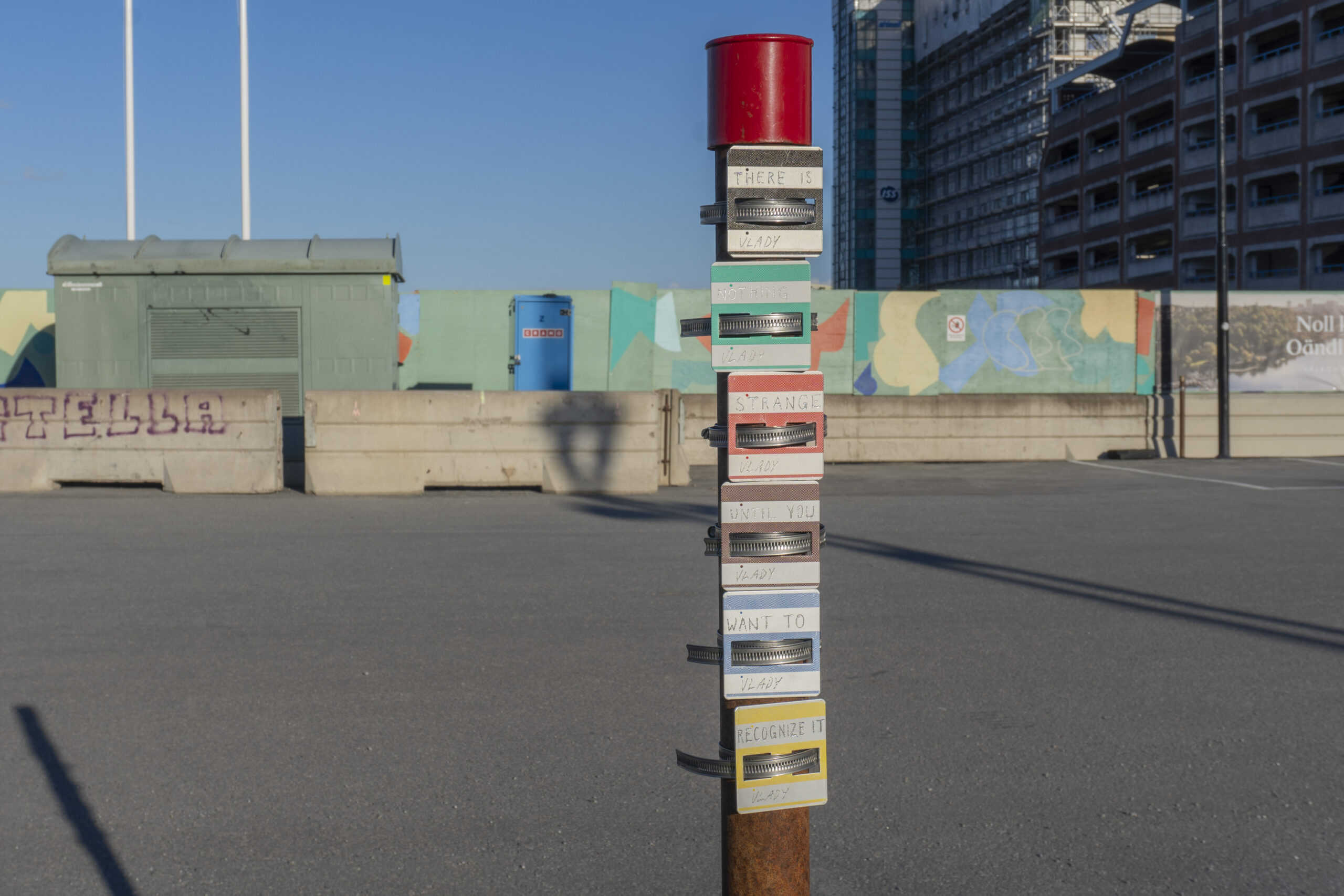
About the city / Om och genom Staden, 2025
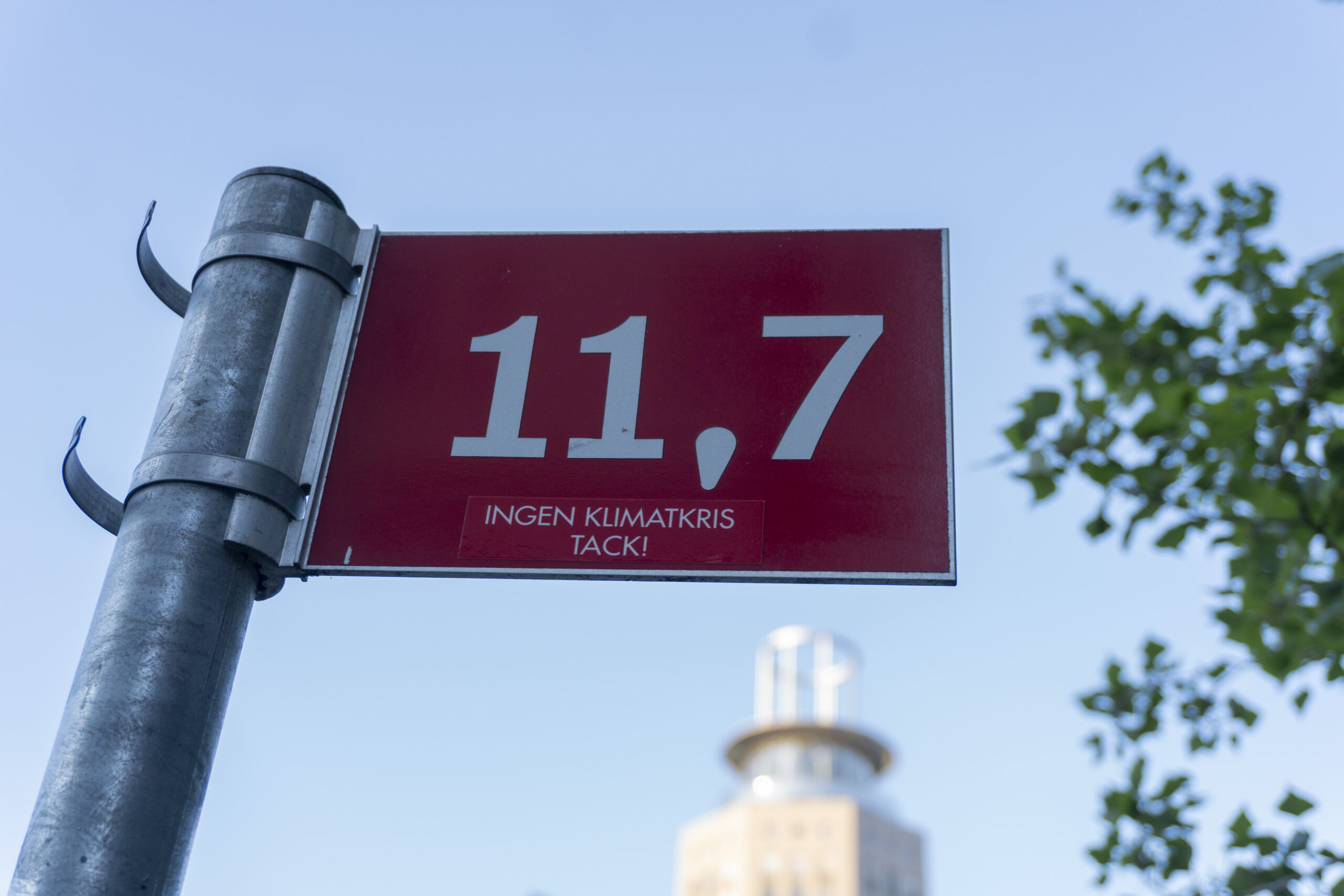
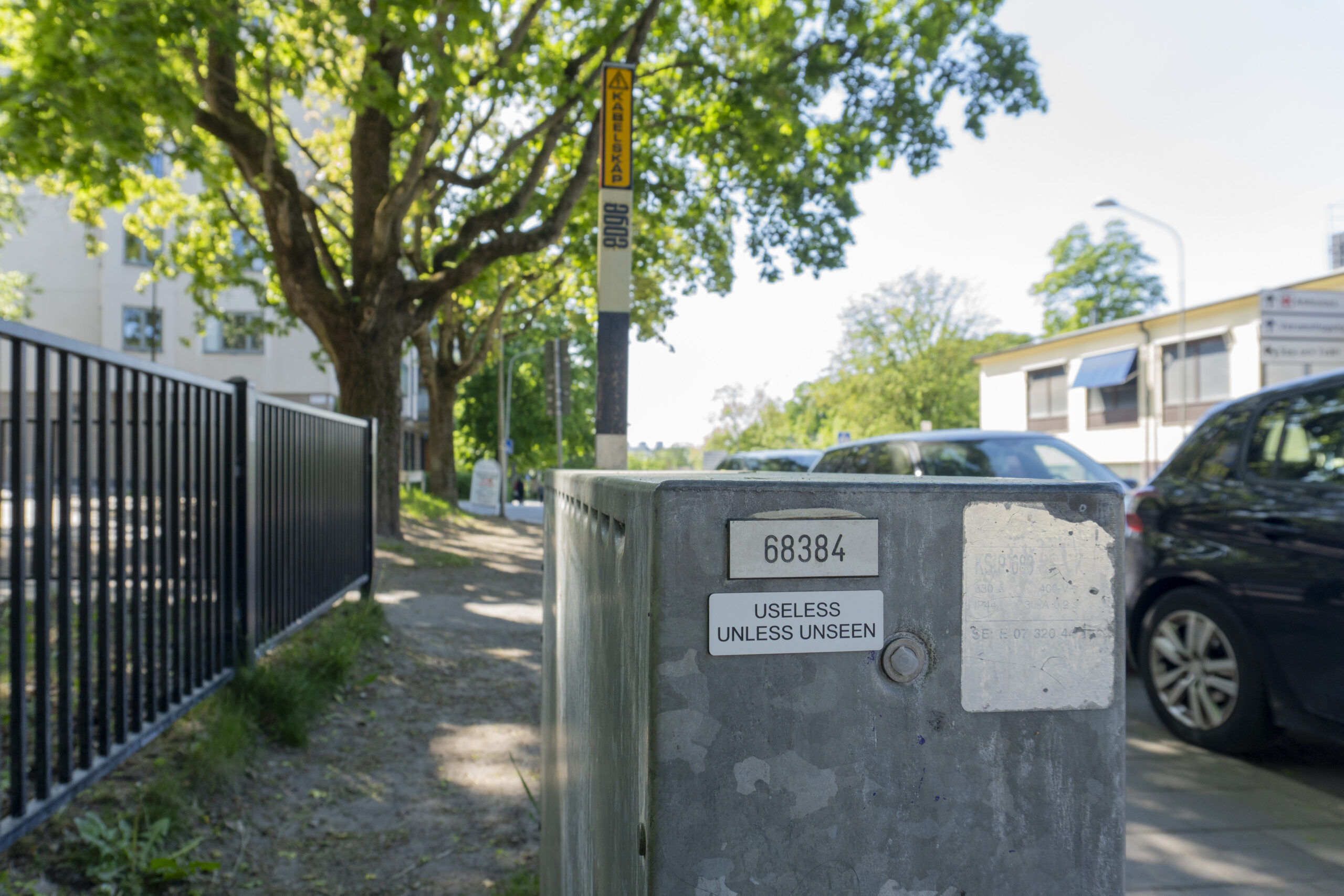
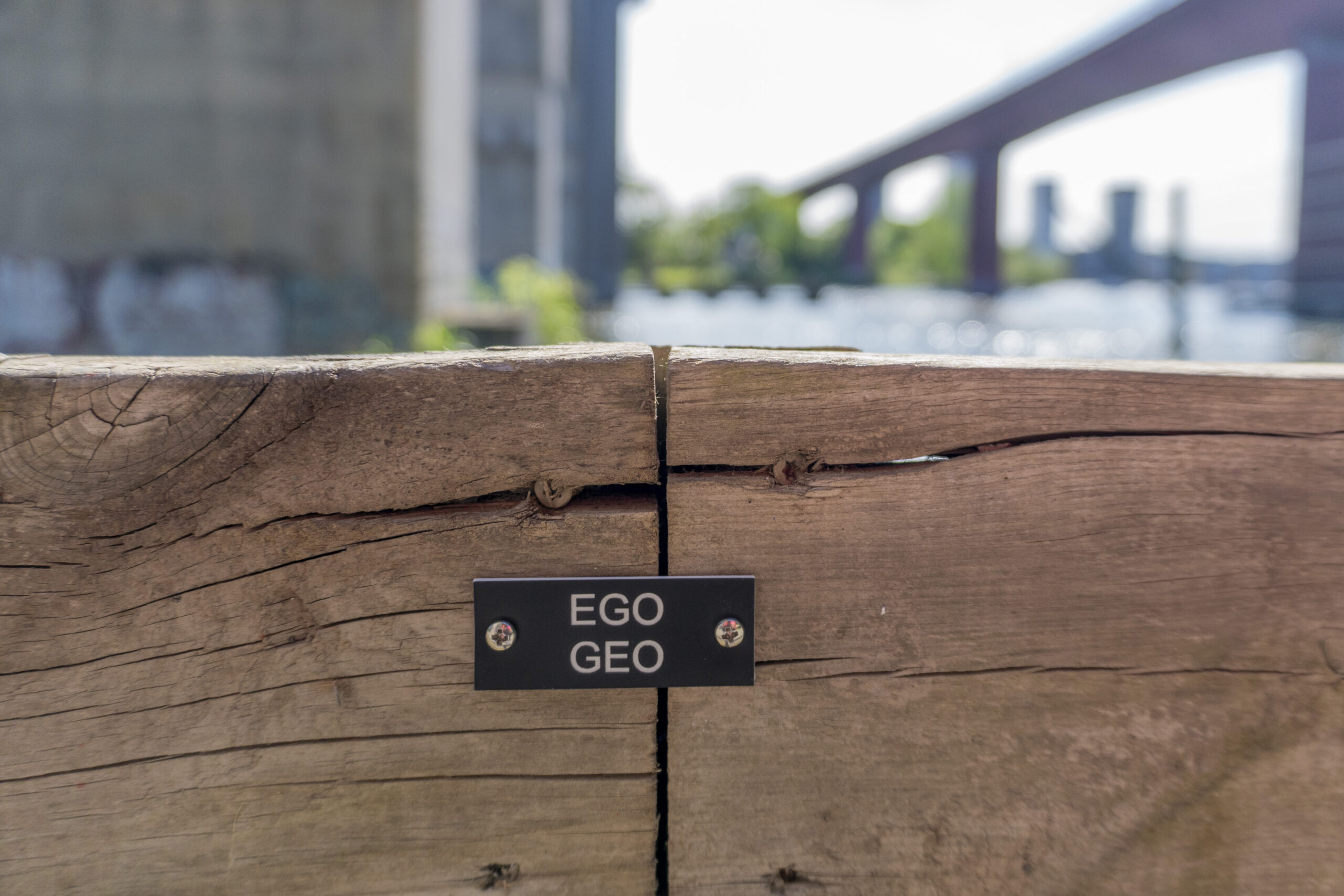
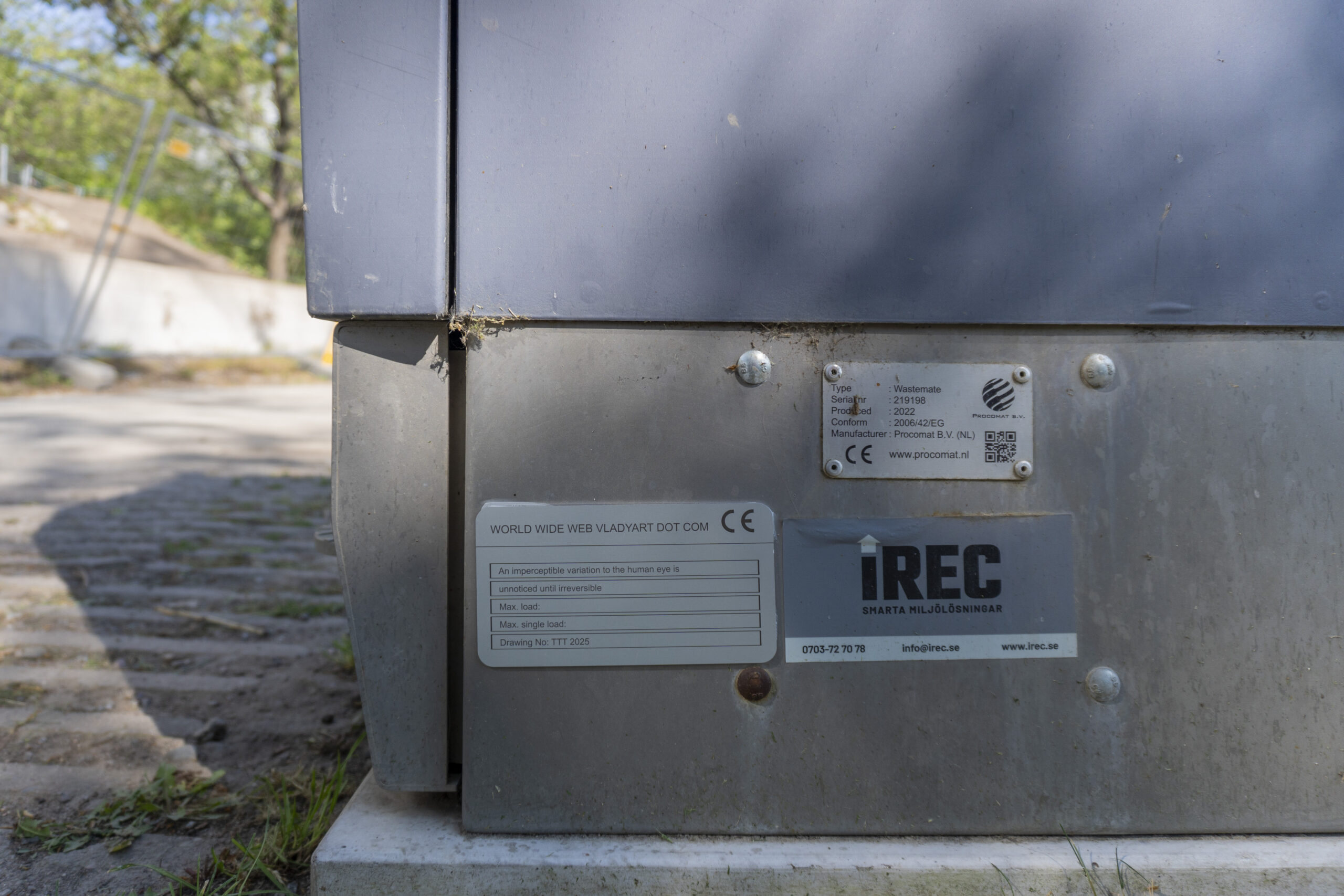
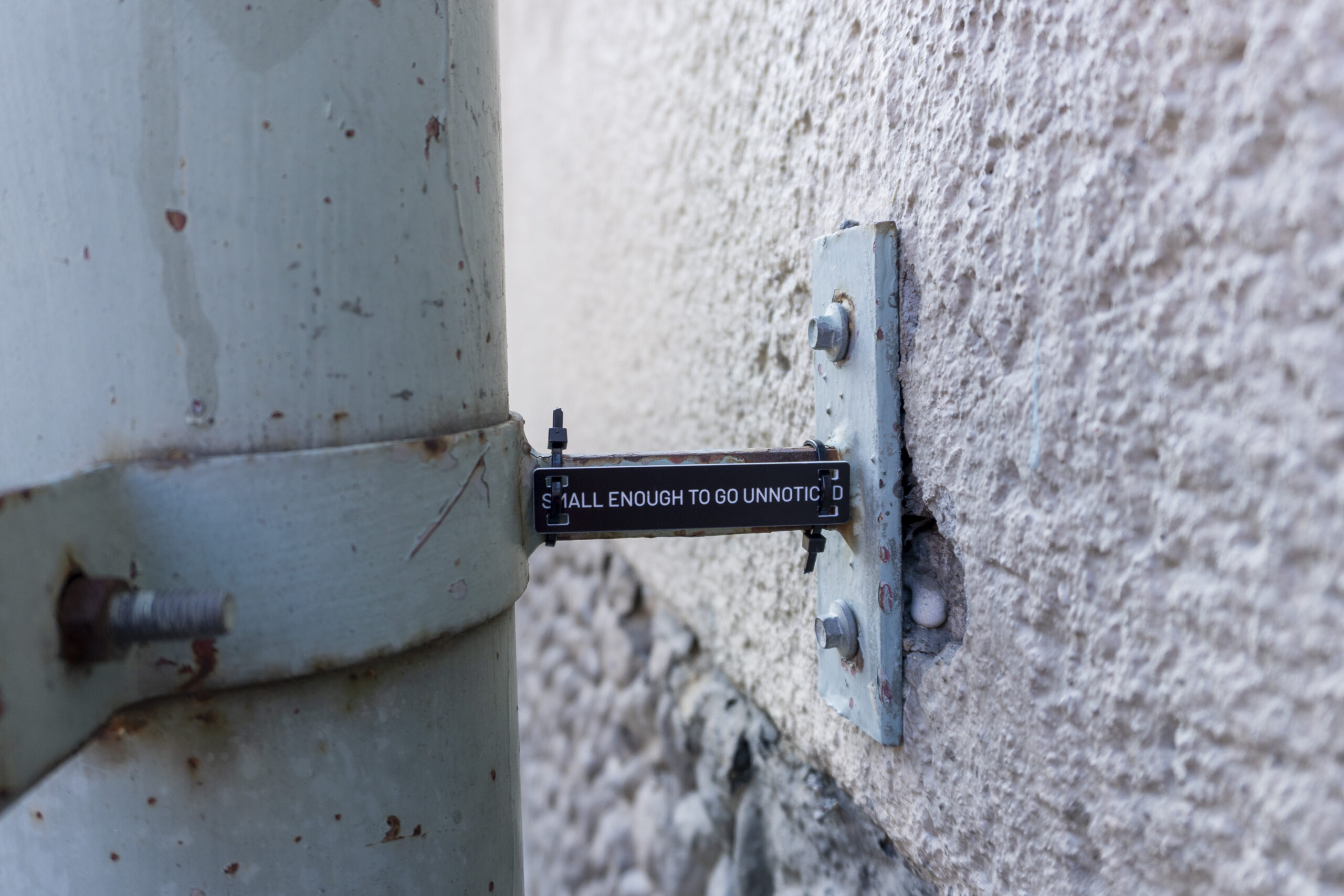
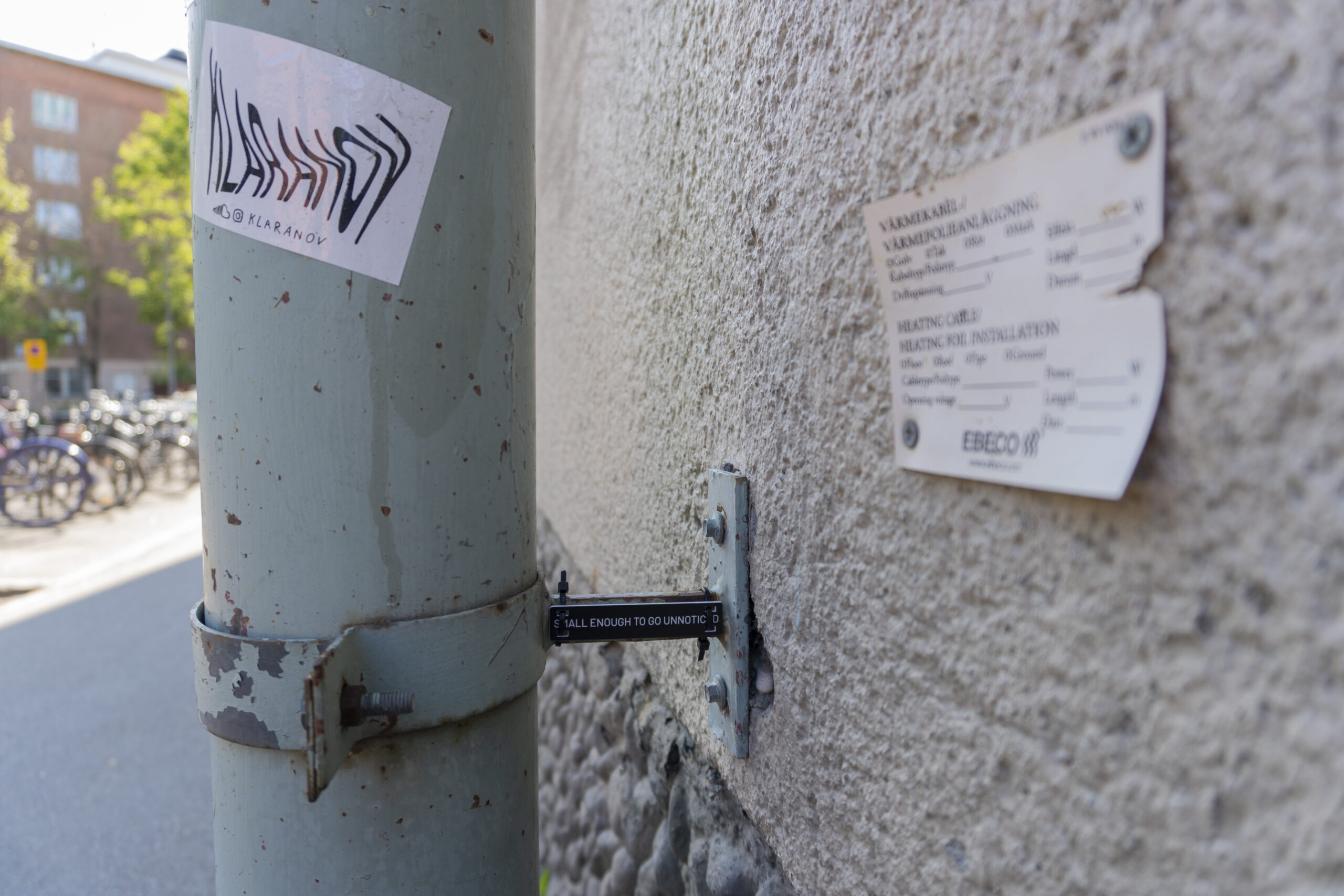
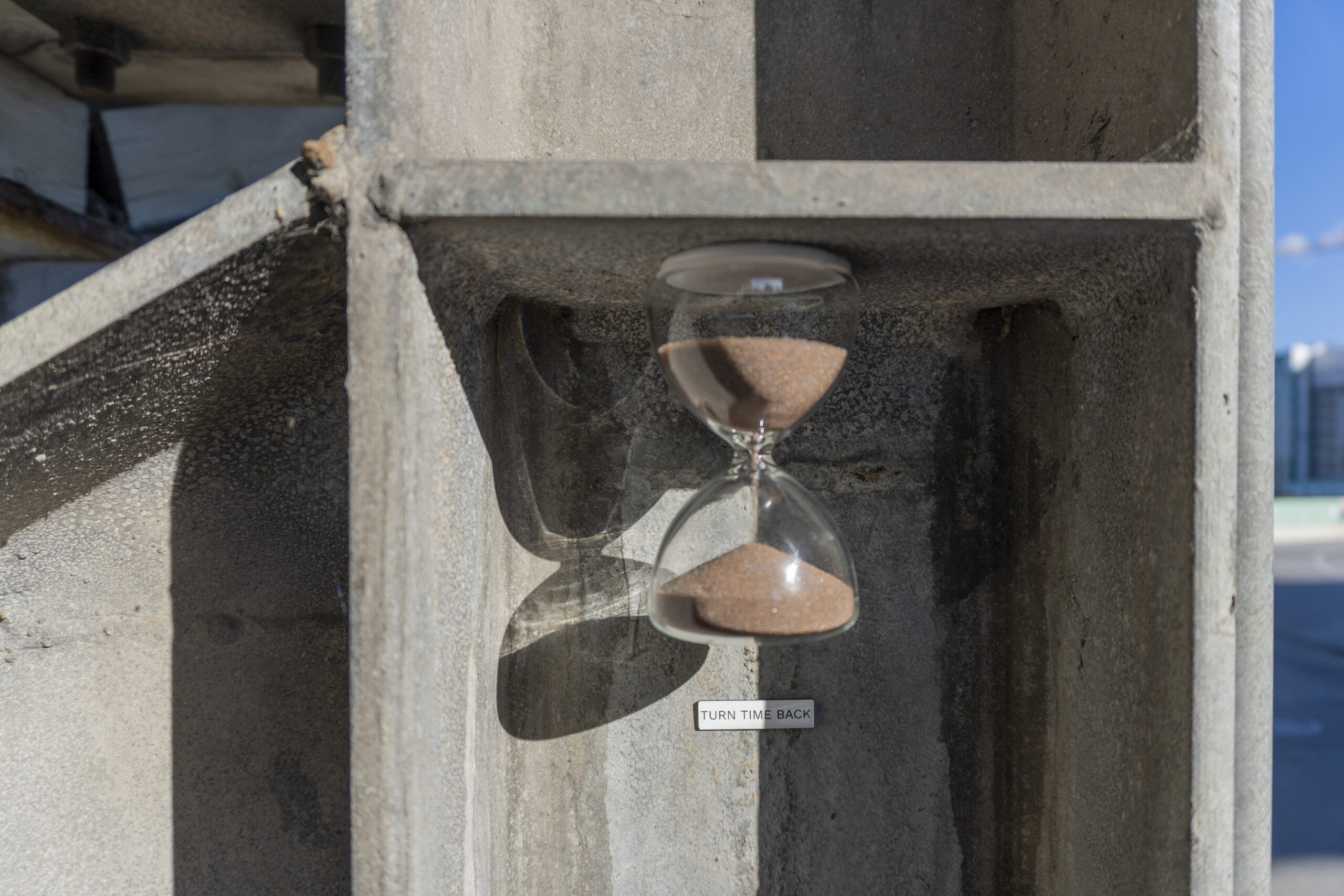
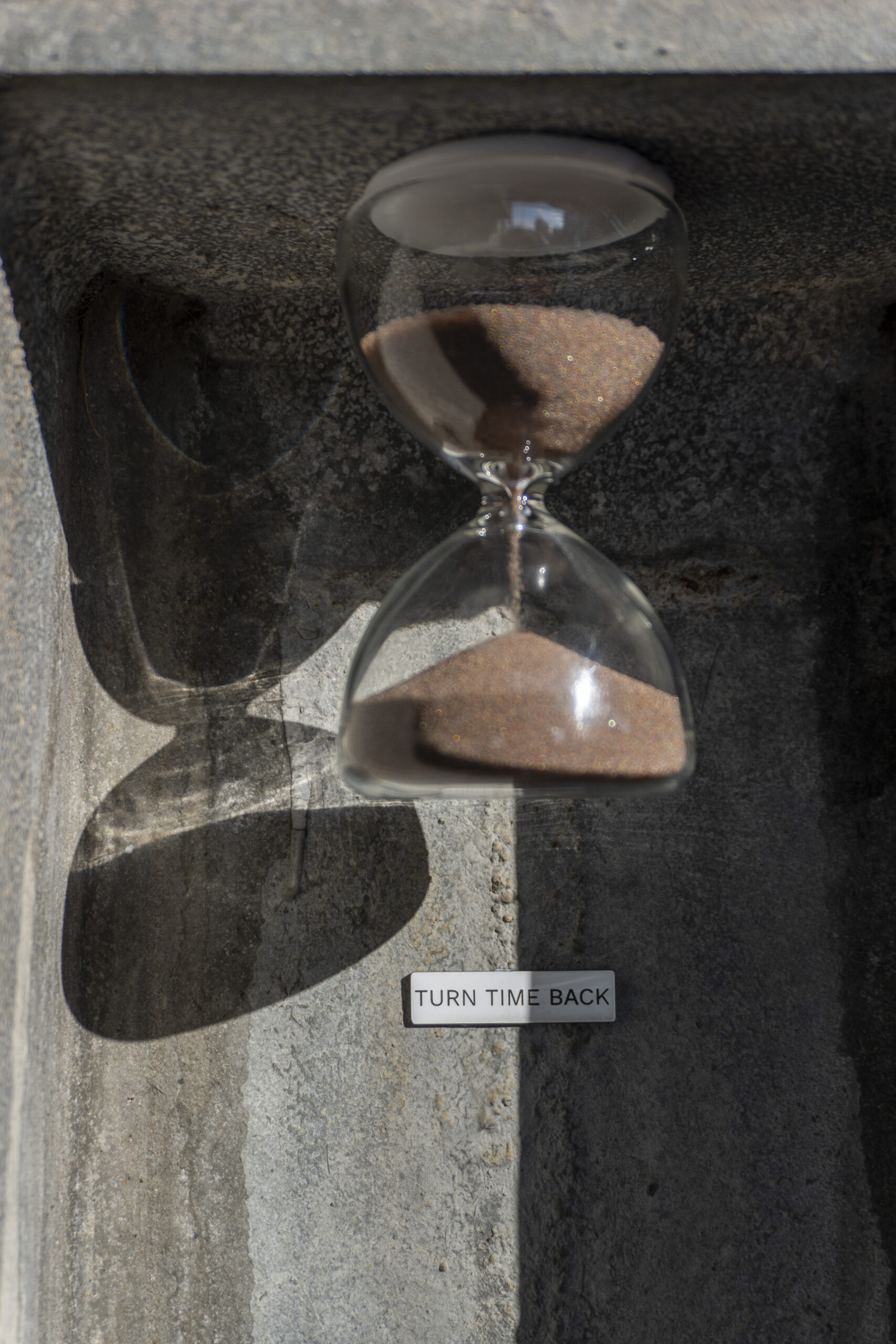
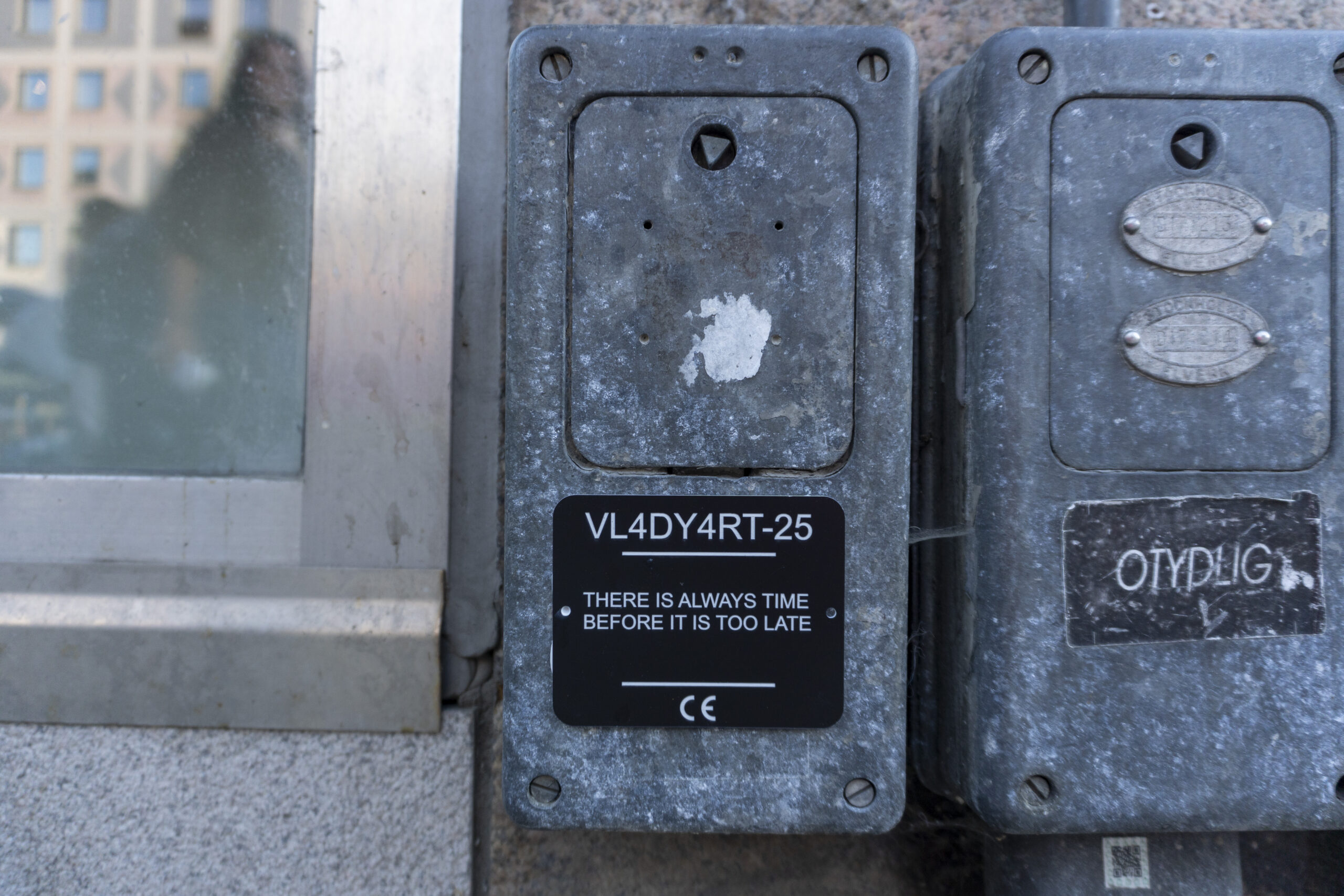
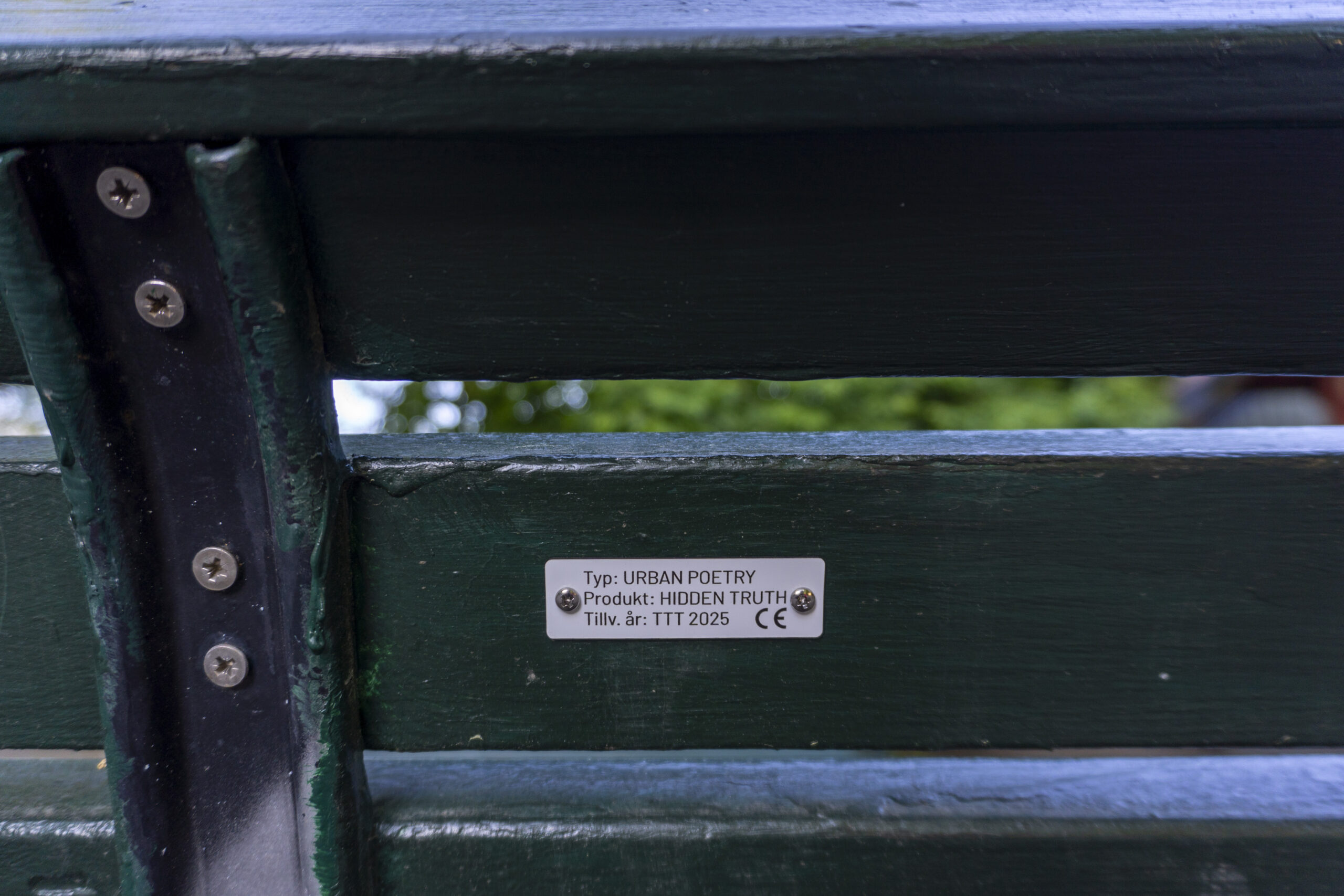
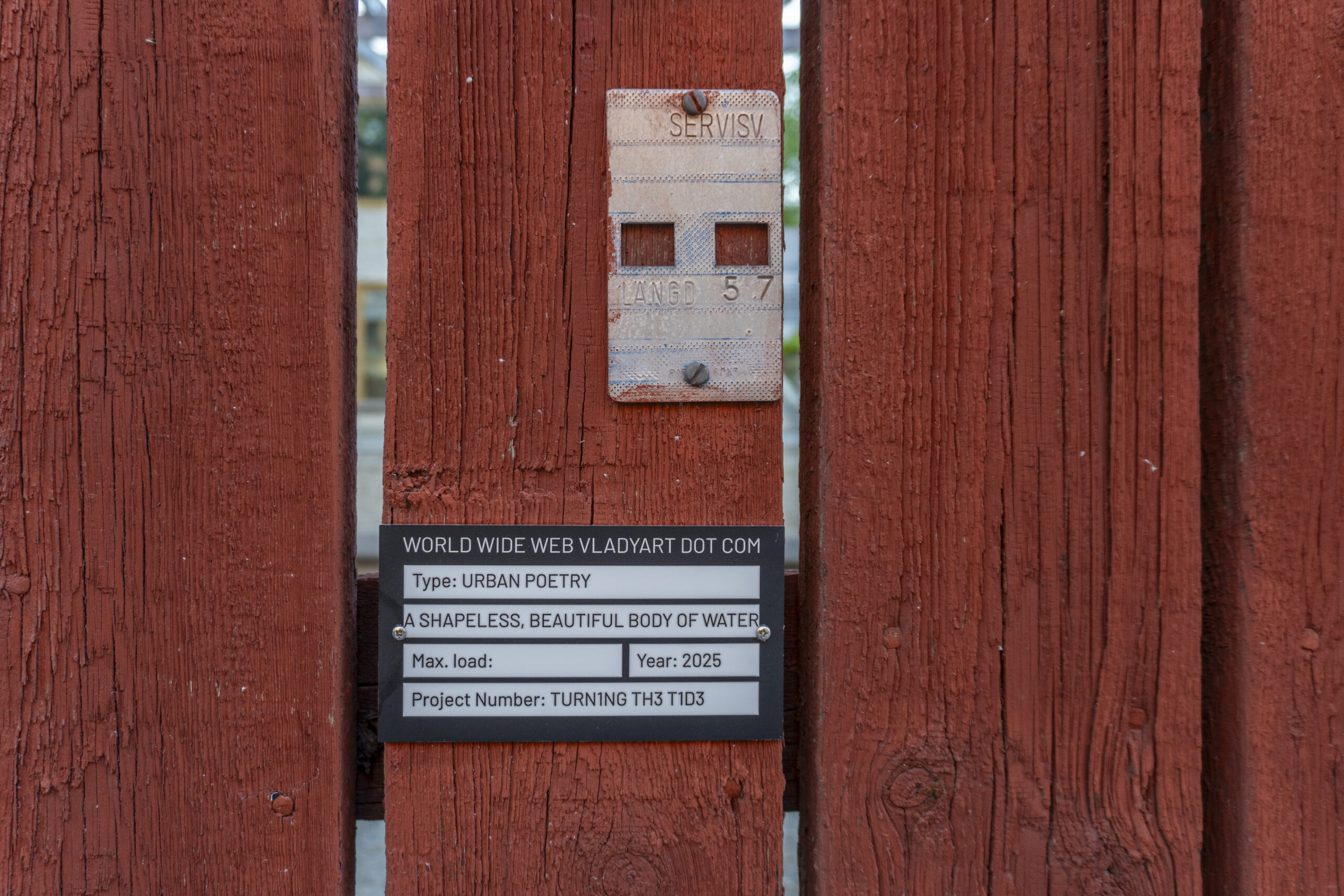
In the project Turning The Tide, led by the cultural organization Intercult, artist Vlady challenged the notion of climate change as an imperceptible phenomenon. By inserting a series of ordinary signs into the urban landscape, Vlady created tangible traces of his passage – marks that, by their very nature, are likely to go unnoticed. These subtle alterations to the cityscape serve as a metaphor for many of the obvious yet overlooked effects of climate change – phenomena that, because they unfold gradually and blend into everyday life, remain invisible and therefore dismissed or underestimated.
Vlady’s practice explores the poetic and political possibilities of space. His works involve the body through gestures, architecture through interventions and the city through its society, in an investigation between private and public. Movement, particularly walking and cycling, is fully considered a means of this investigation, both for exploring the environment and his own existence.