
Anna Kotkiewicz
Artist in Residence
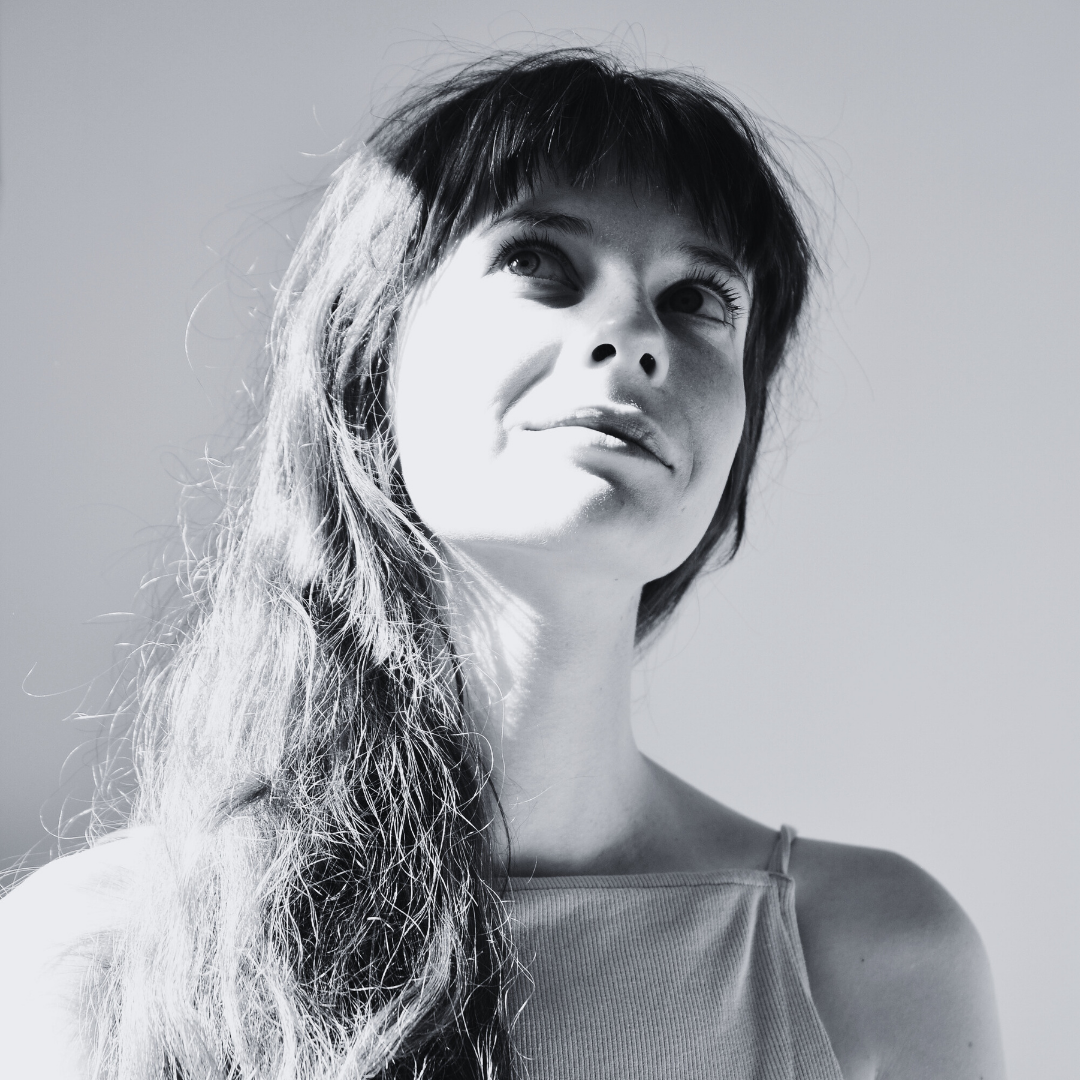
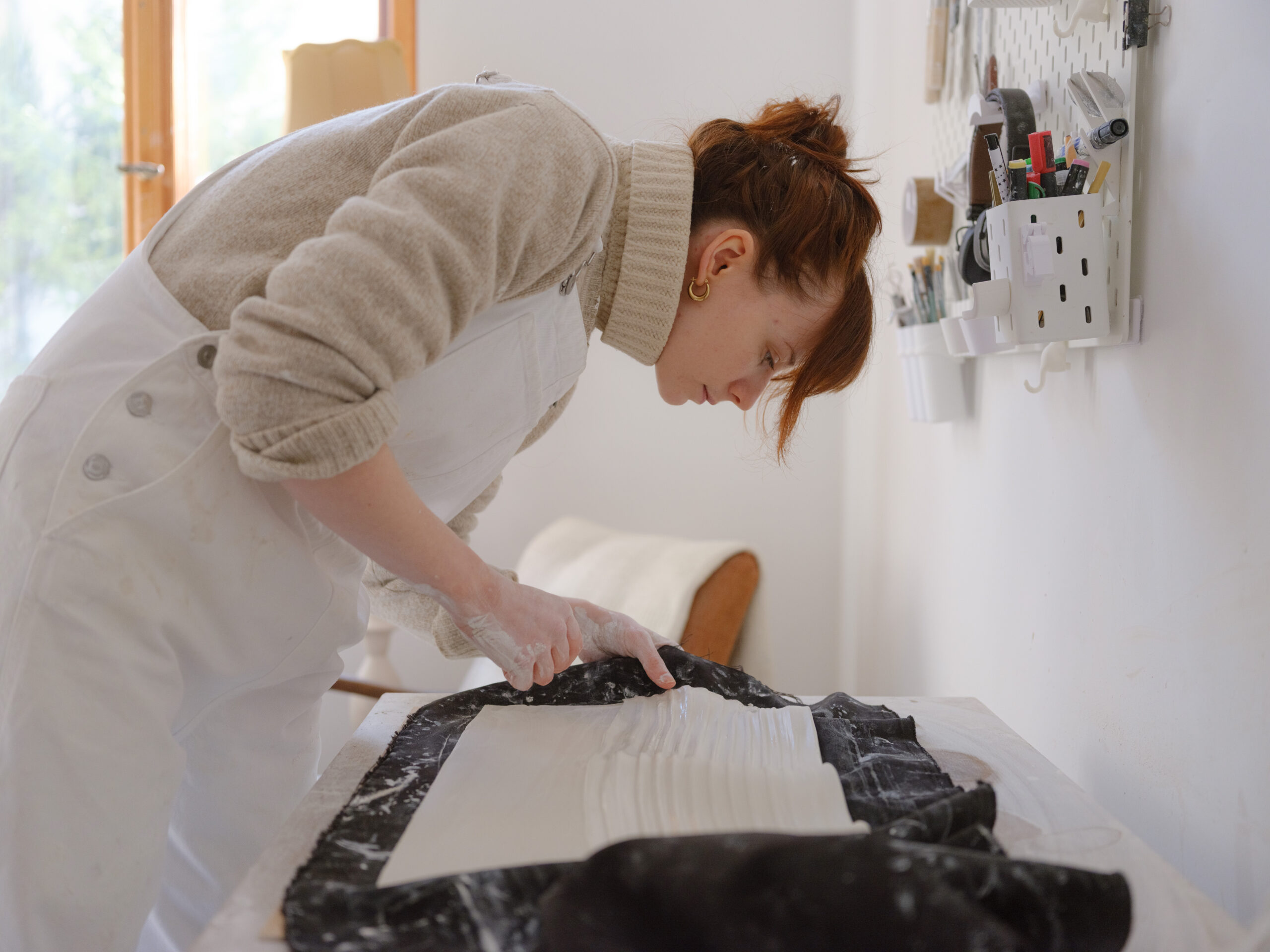
Artist, designer, craftswoman. Her artistic and design work is based on a deep understanding of the material in order to fully exploit its technological, visual, and symbolic potential. It is important for her to push the boundaries of ceramic craftsmanship in search of new forms of expression, meanings, and relationships between matter and the creator.
She graduated with honors in Interior Design (CSW Znaki Czasu, Toruń 2021) and from the Academy of Fine Arts in Wrocław (2023, Ceramic Art and Design).
She gained experience at the School of Art at the University of Wolverhampton (Erasmus+), at the Laima Ceramics studio in Latvia, at Guldagergaard – International Ceramic Research Center in Denmark, and at the Thiebaut Chagué studio in France.
Her works have been presented in Wrocław, Gdynia, Sopot, Piotrków Trybunalski, and Wałbrzych, during exhibitions such as the Piotrków Art Biennale, “Materia Prima,” and “Porcelana Teraz.”
Since 2024, she has been associated with the Bochiński Foundation, where she coordinates the “Halo Witryna” program, inviting young artists and craftsmen to present their original designs. Her solo exhibition “W nowym świetle” (In a New Light) took place during the Gdynia Design Days festival (2024).
“The boundary of the coastline”, 2025
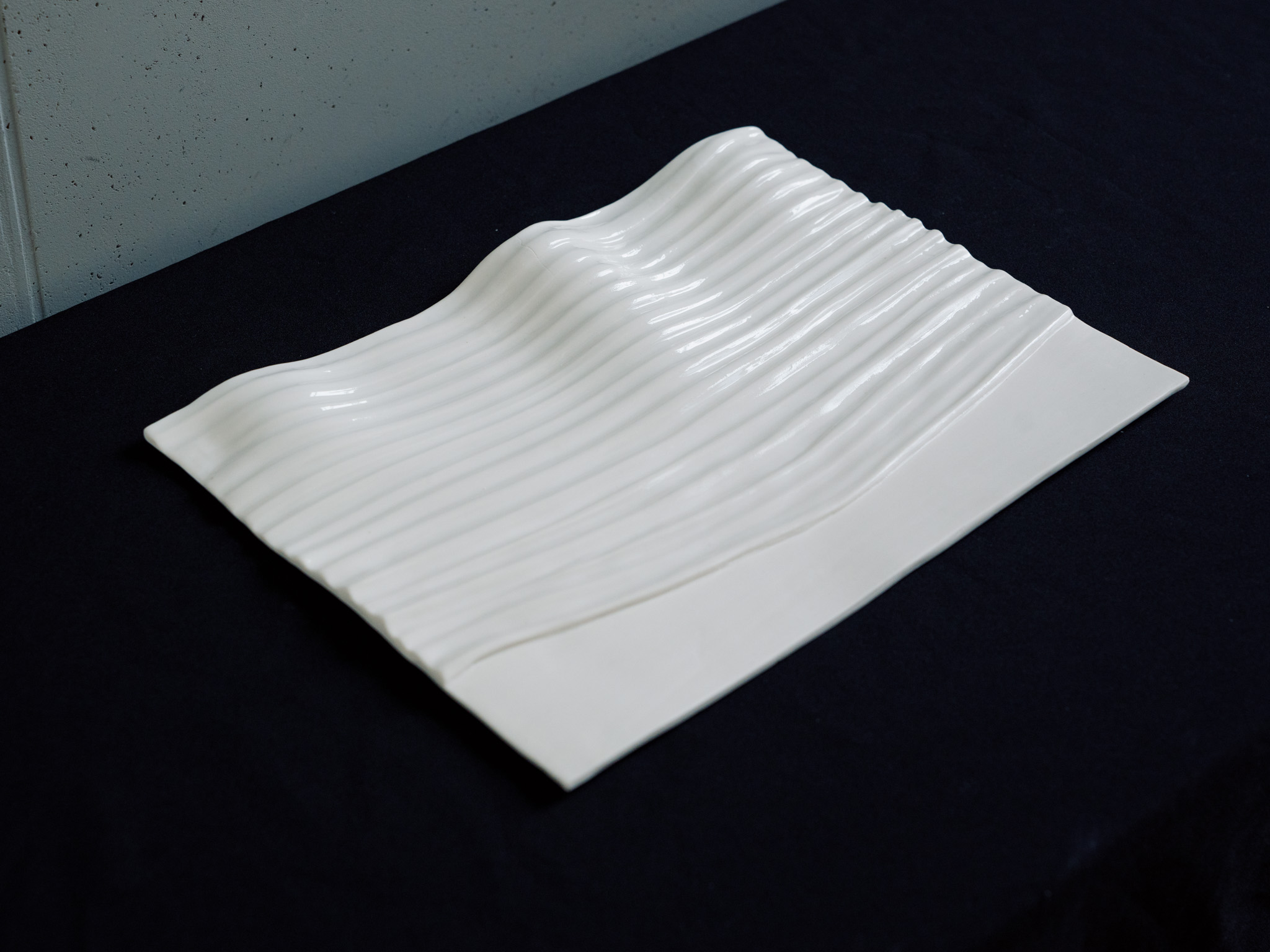
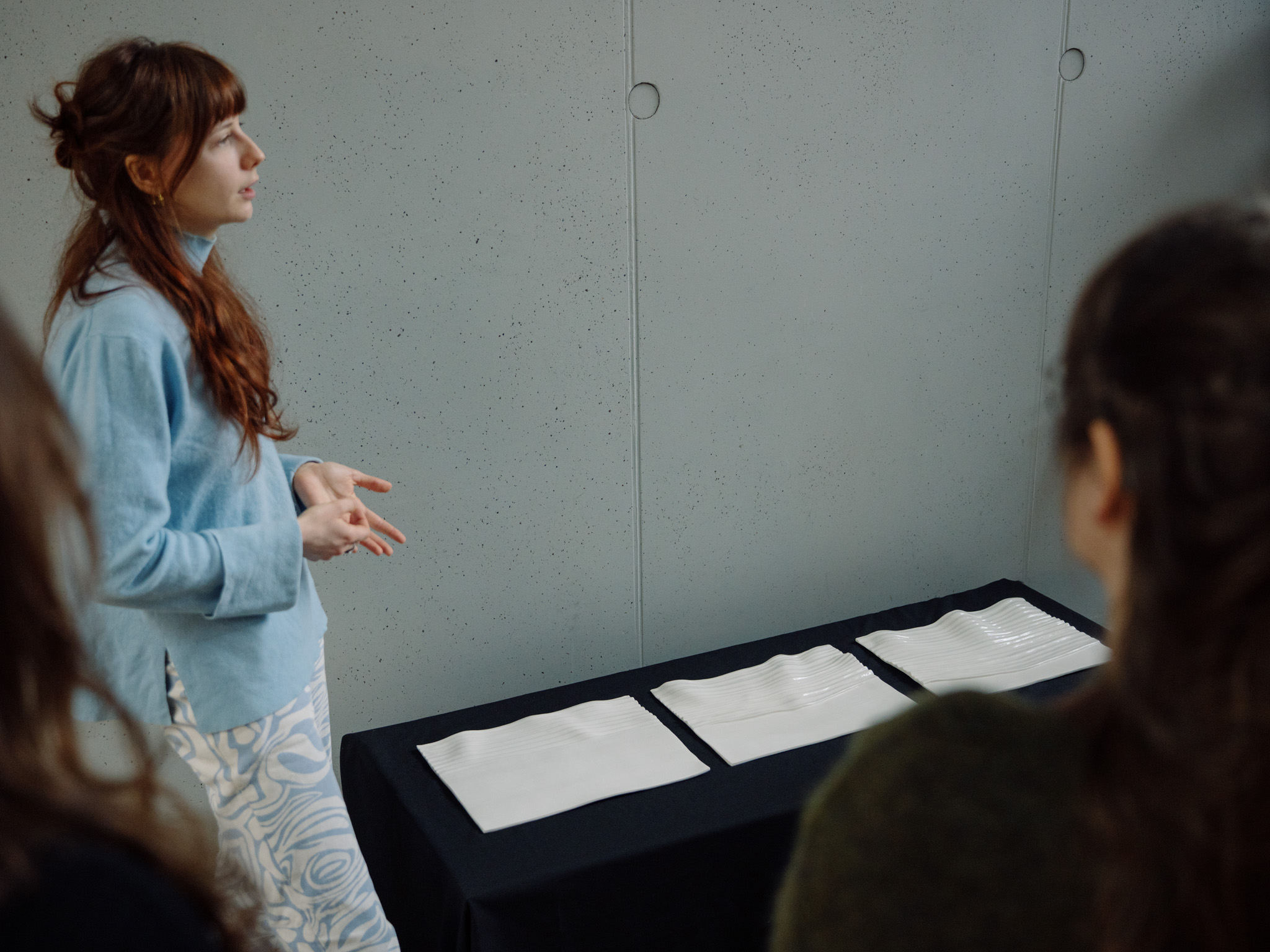
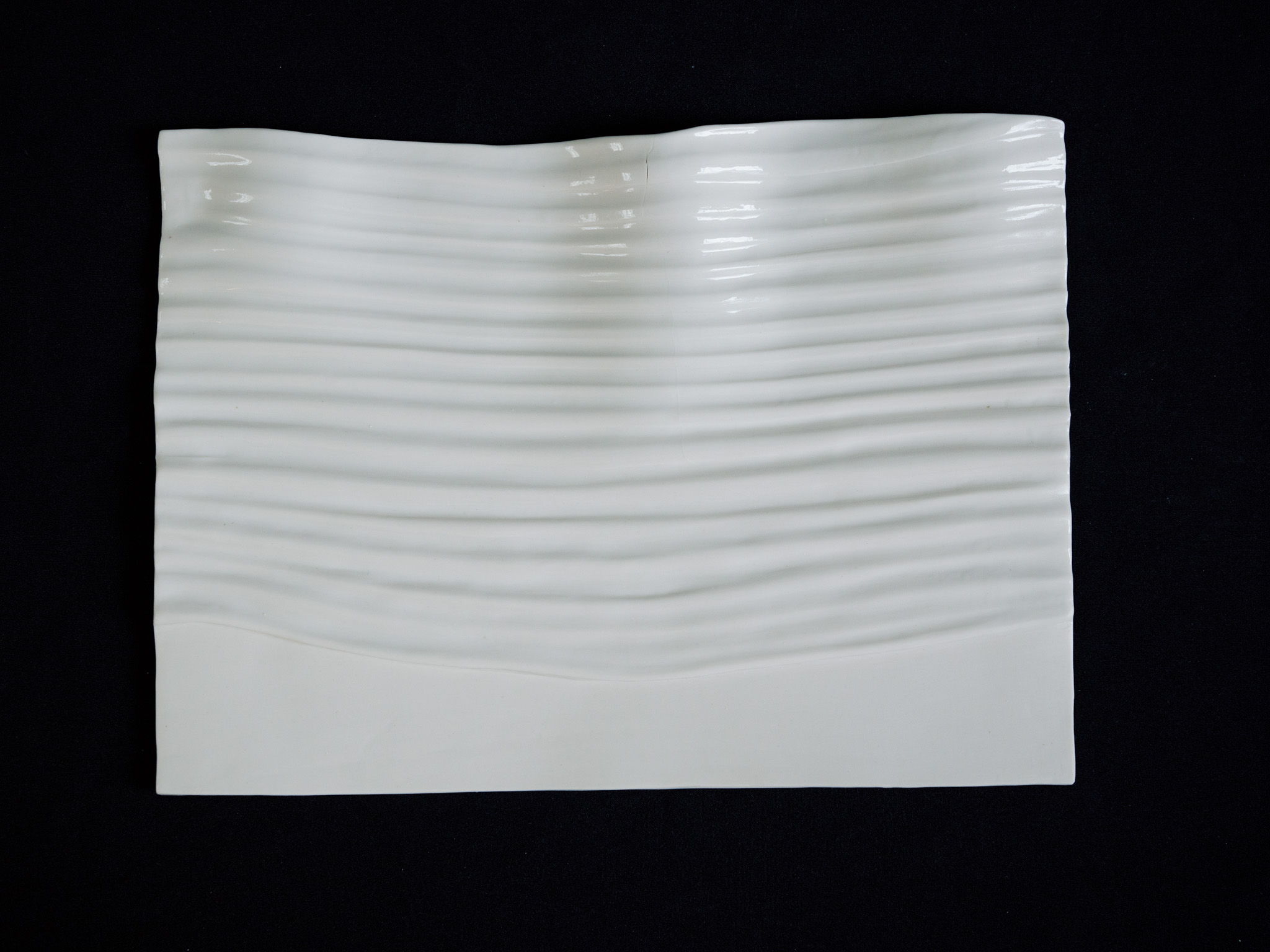
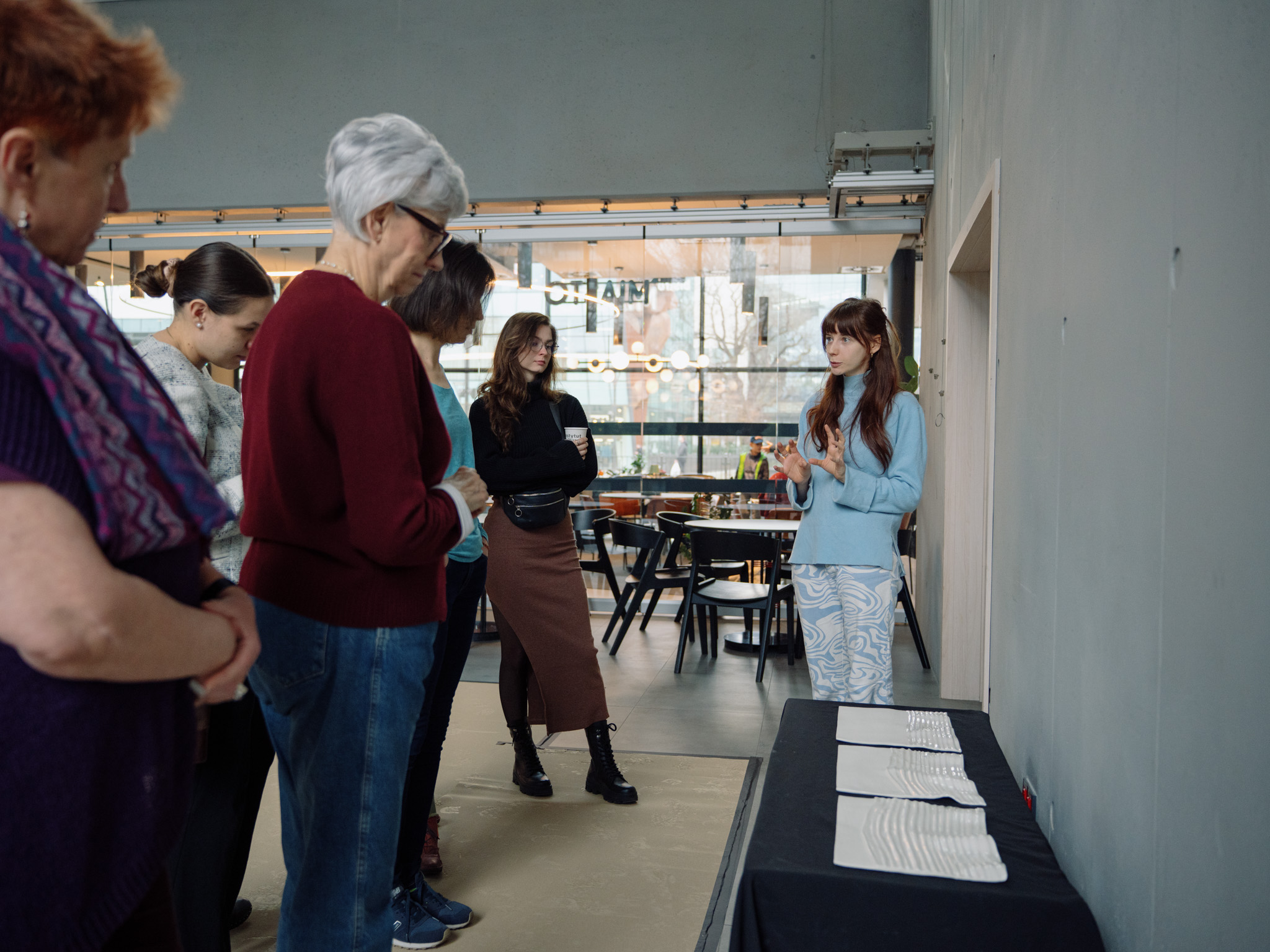
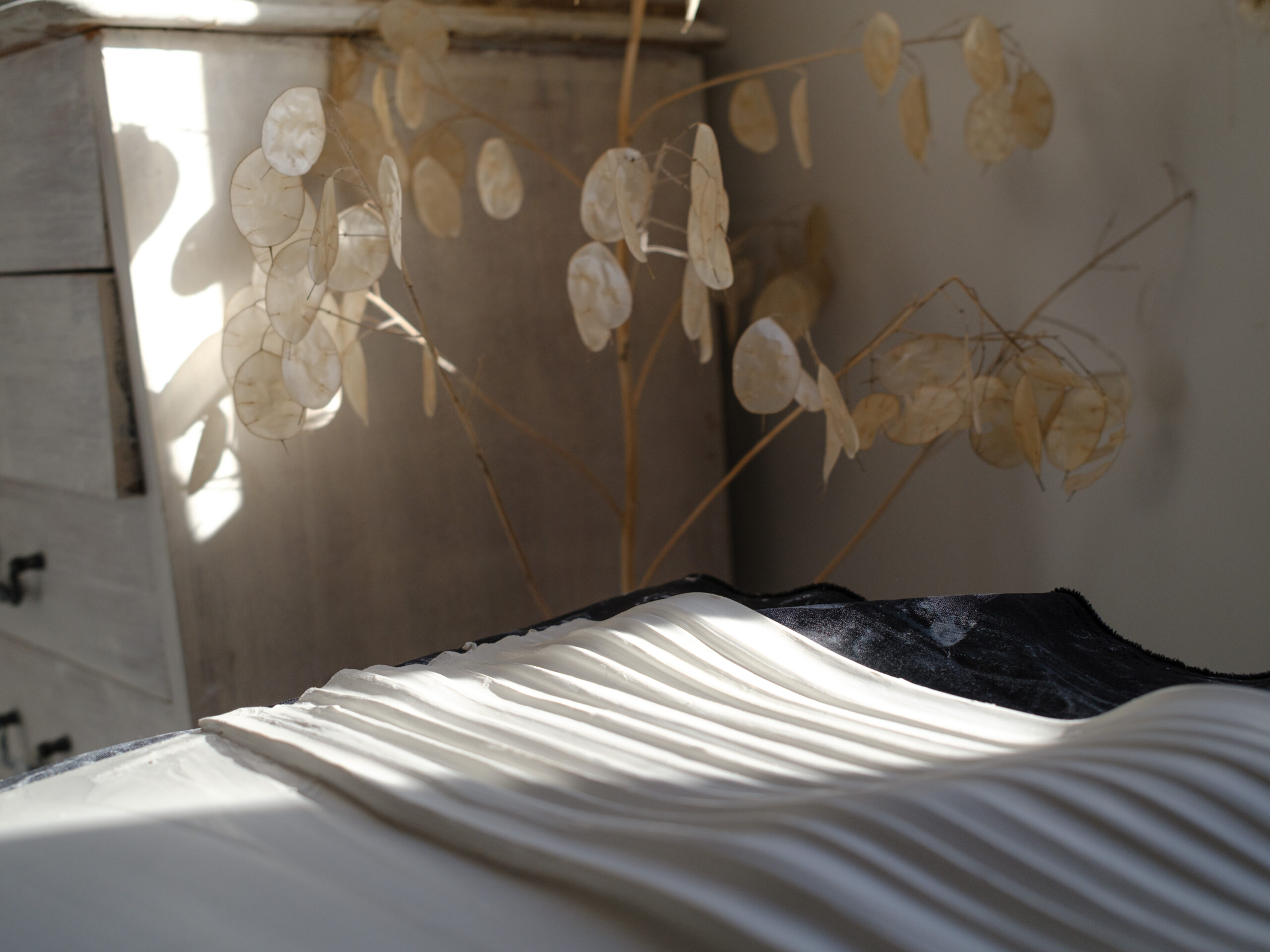
The series of reliefs addresses the phenomenon of rising sea levels and the gradual disappearance of the coastline, with particular focus on selected areas of Gdańsk and the Baltic Sea coast. The works form a cohesive visual narrative depicting the process of land submersion – from initial, barely perceptible changes to the near – complete blurring of the boundary between water and solid ground.
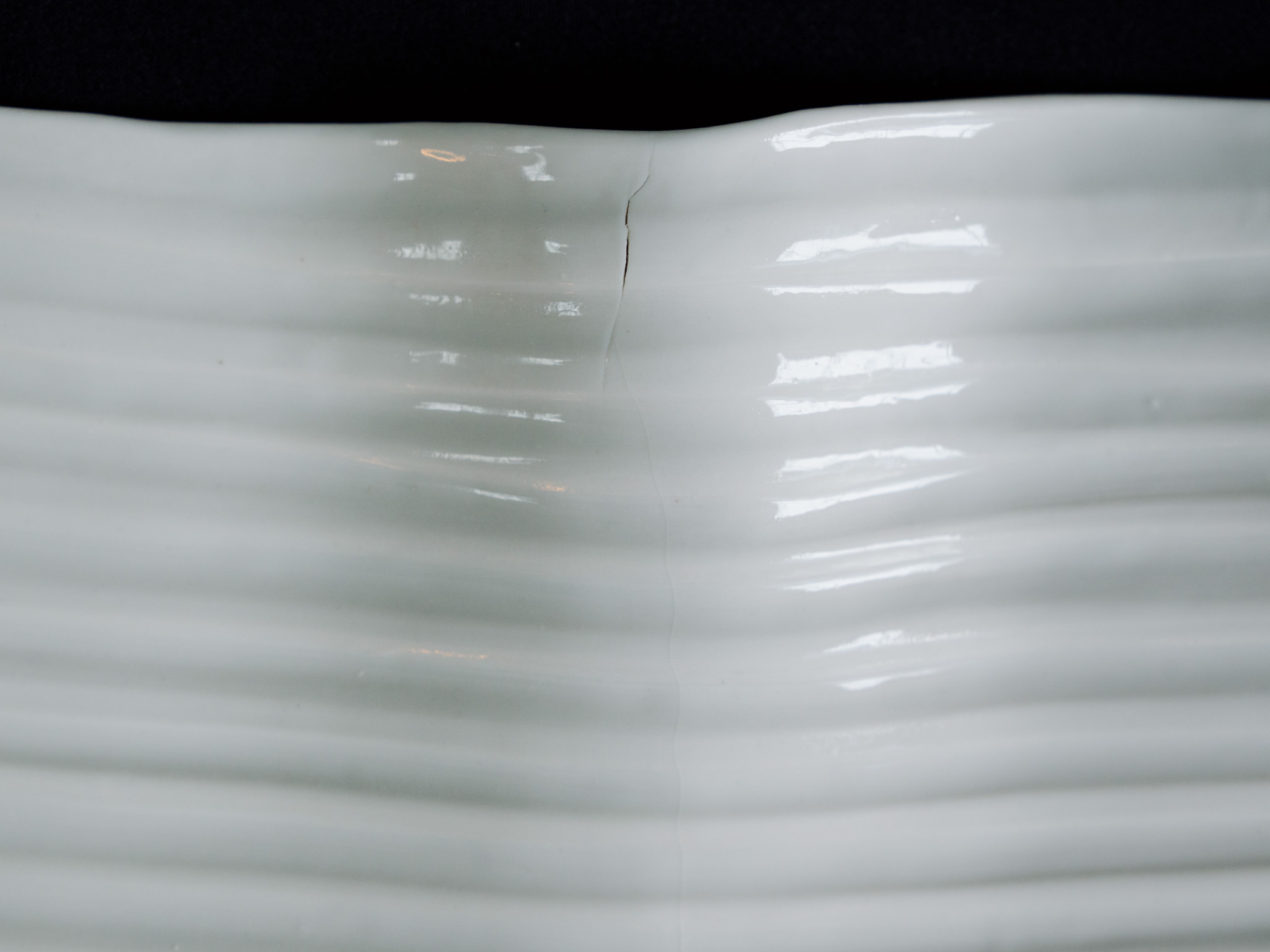
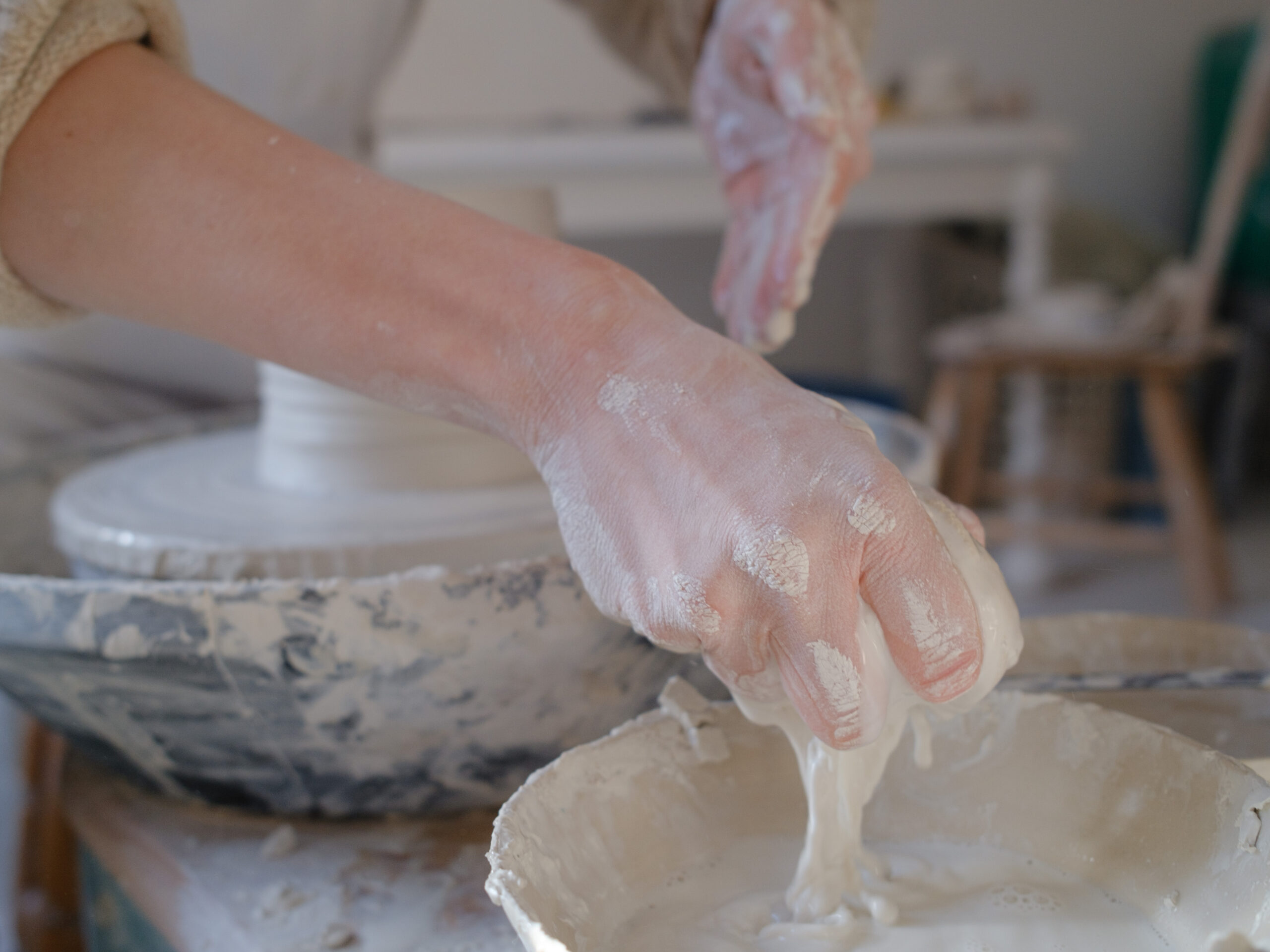
Porcelain serves as the key medium. Its properties – fragility and sensitivity to pressure, water, and temperature – reflect the delicate balance of coastal ecosystems. Despite its aesthetic refinement, the material reveals limited resistance to external factors, much like the natural environment, which often exposes the effects of long-term human impact with delay. The processes of forming and firing expose tensions embedded within the material’s structure, resulting in cracks and deformations. This mechanism parallels the accumulation of often invisible environmental changes.
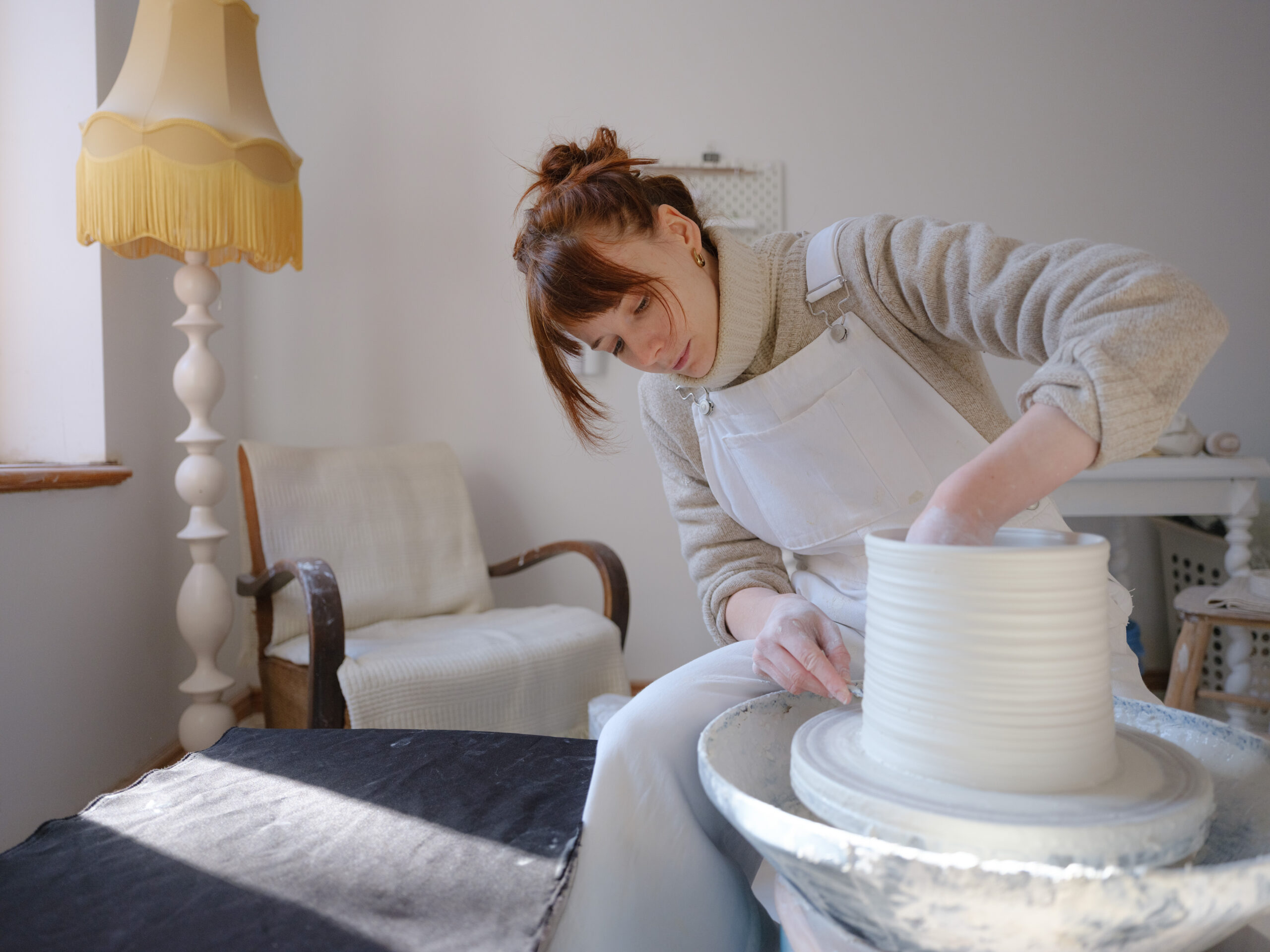
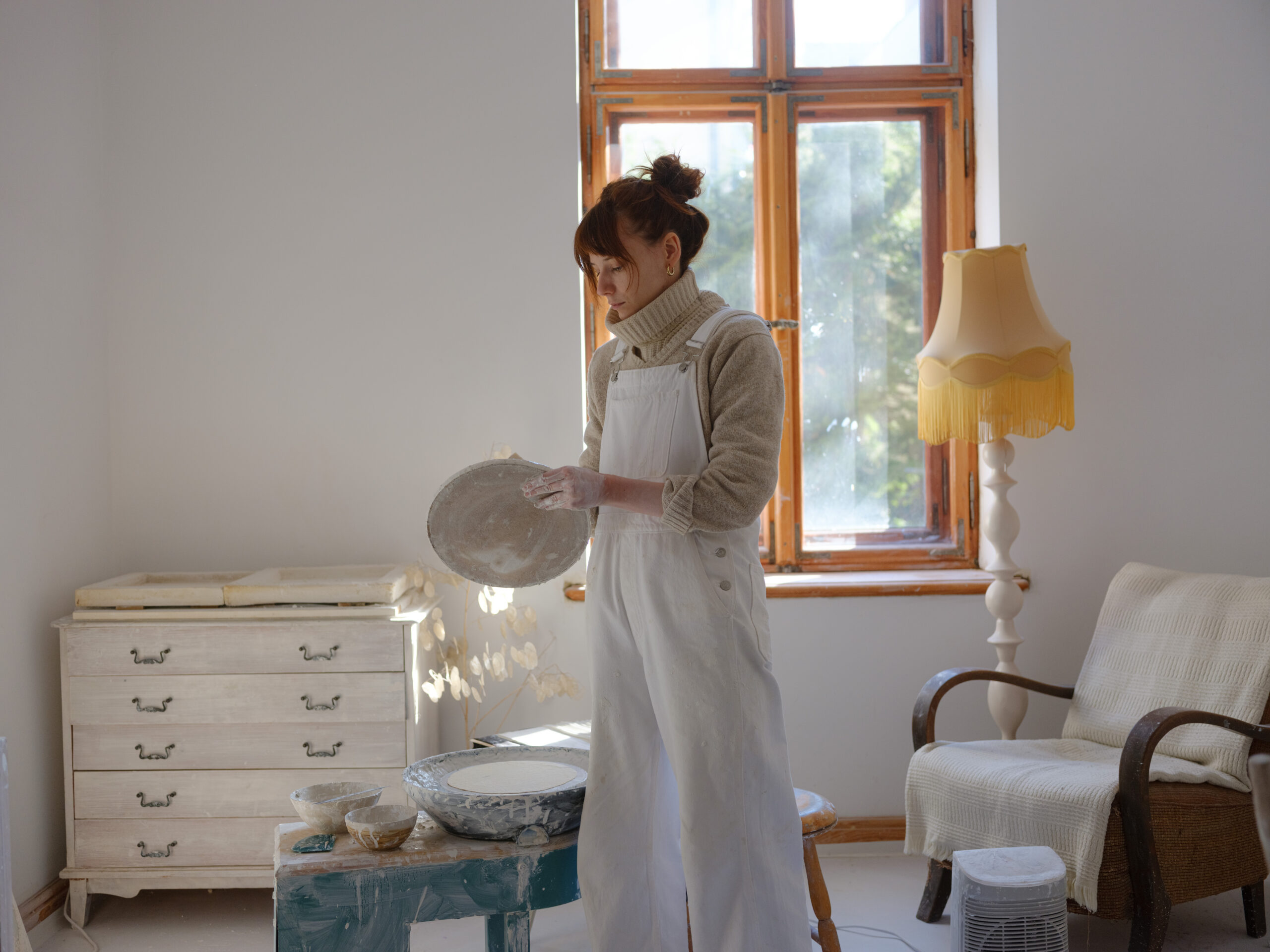
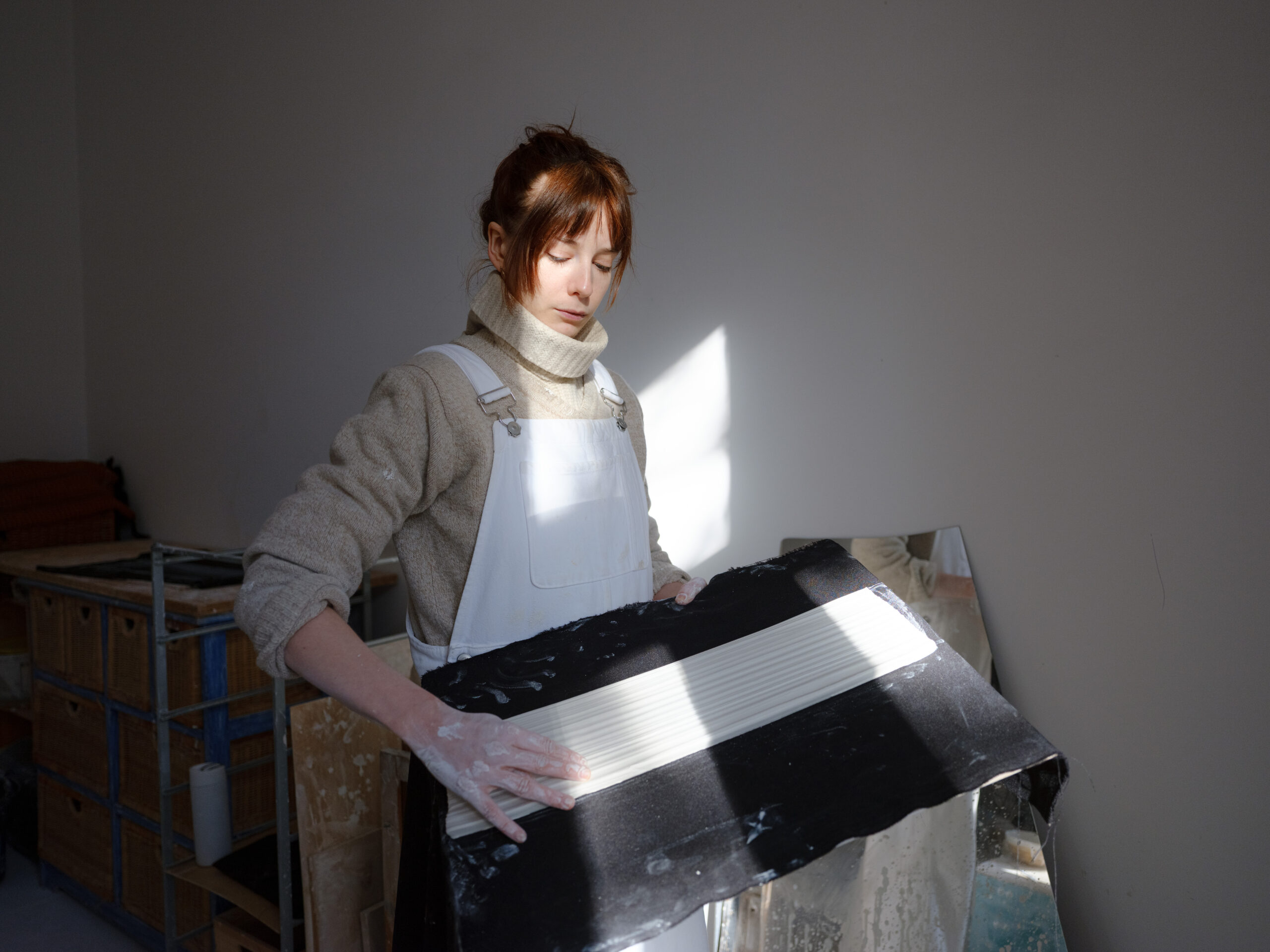
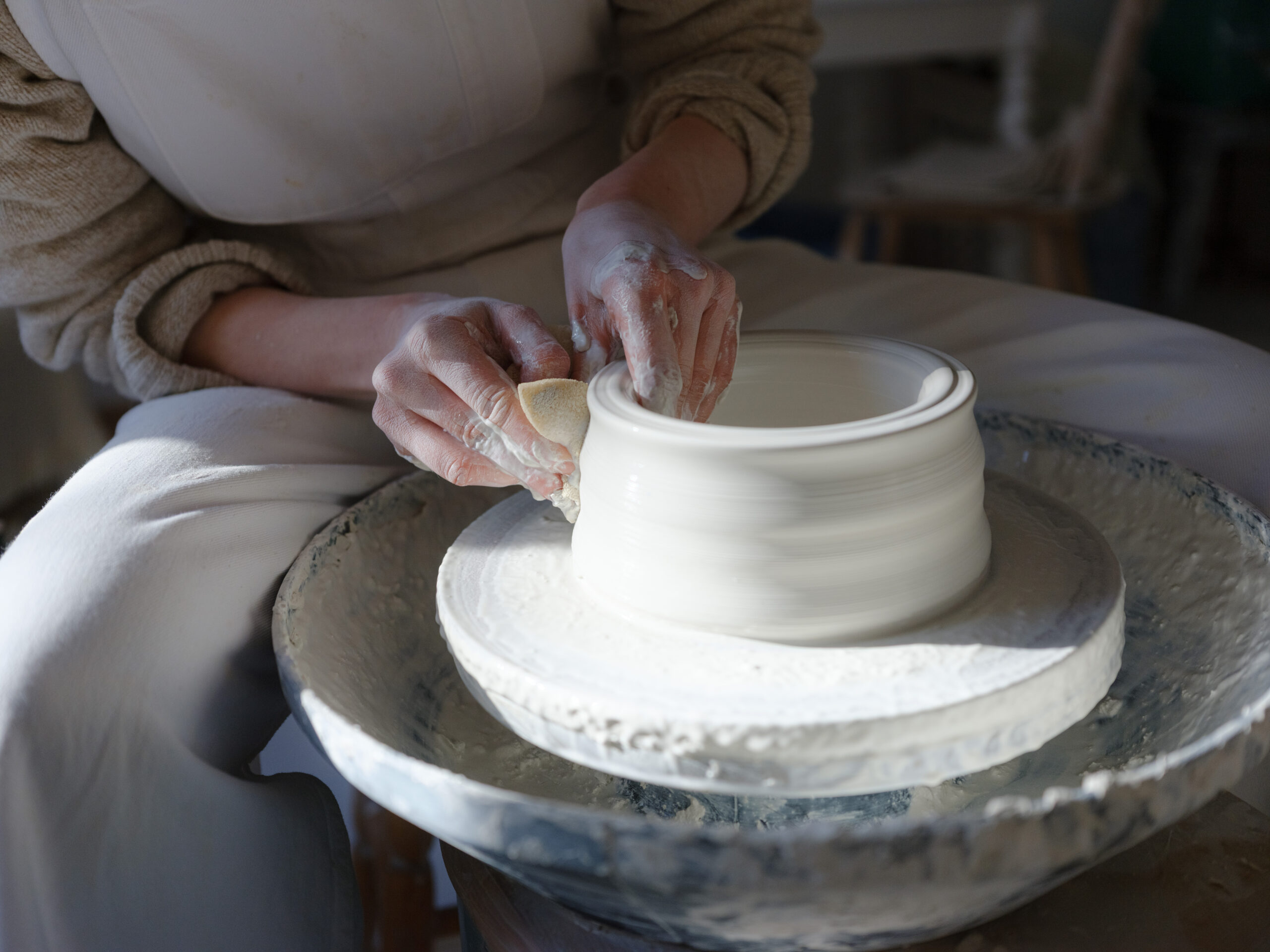
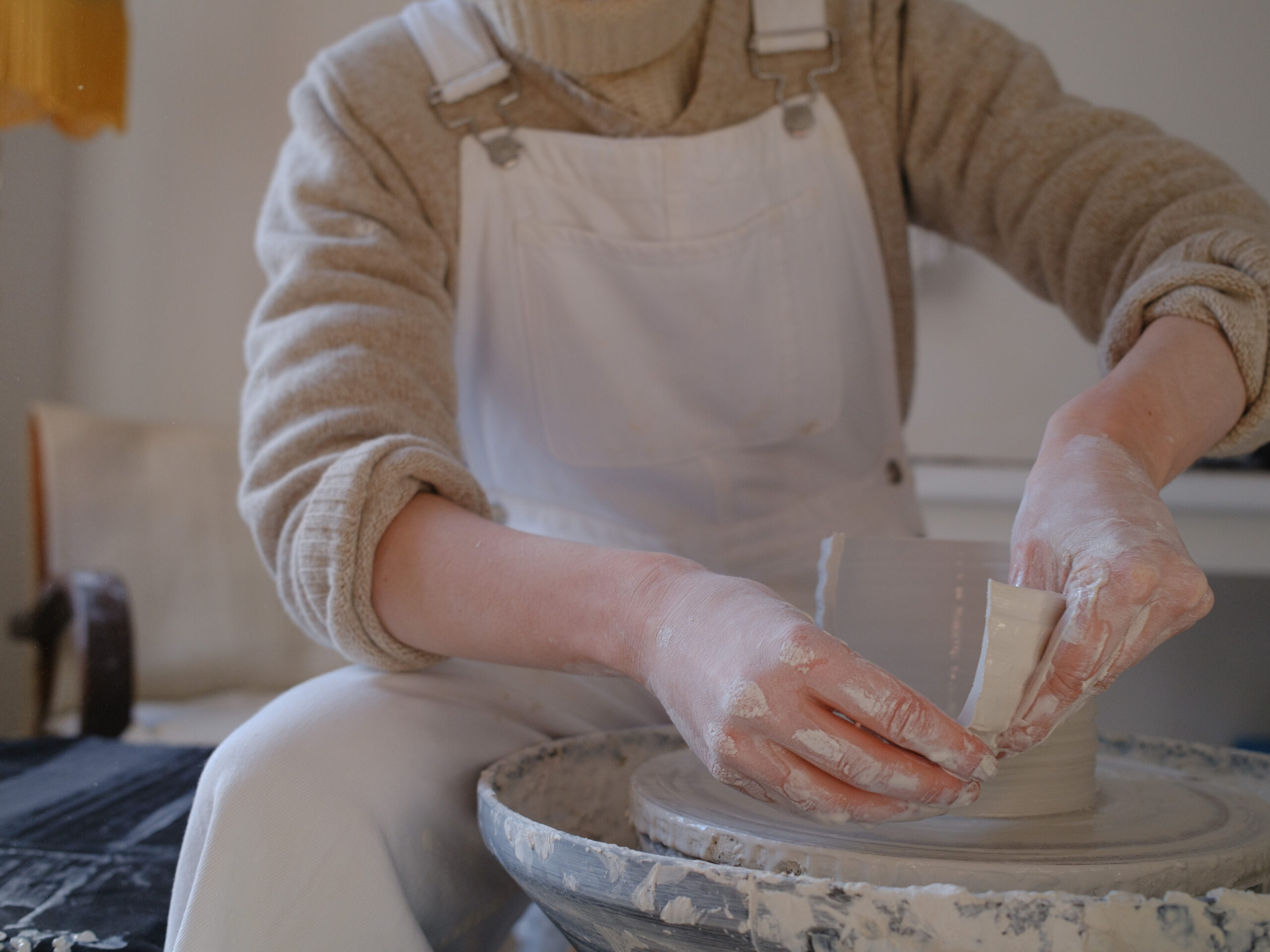
The reliefs are created using a potter’s wheel, enabling a direct relationship between gesture and form. Textured, rhythmic surfaces – formed through visible hand traces – refer to the dynamics of water, while smooth, ordered areas symbolize the stability of land. The juxtaposition of these contrasting qualities emphasizes the tension between what is changeable and what appears to be stable.
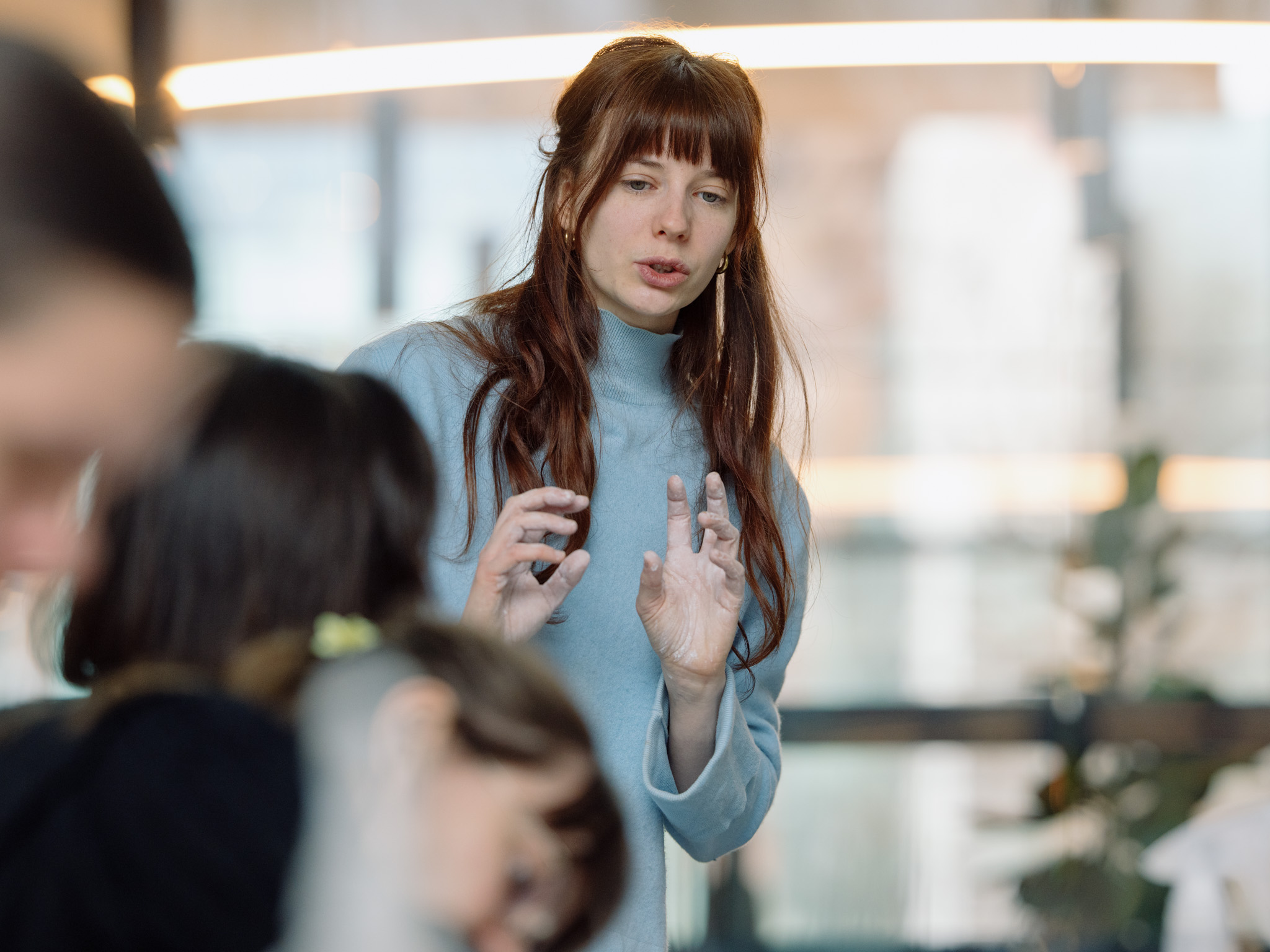
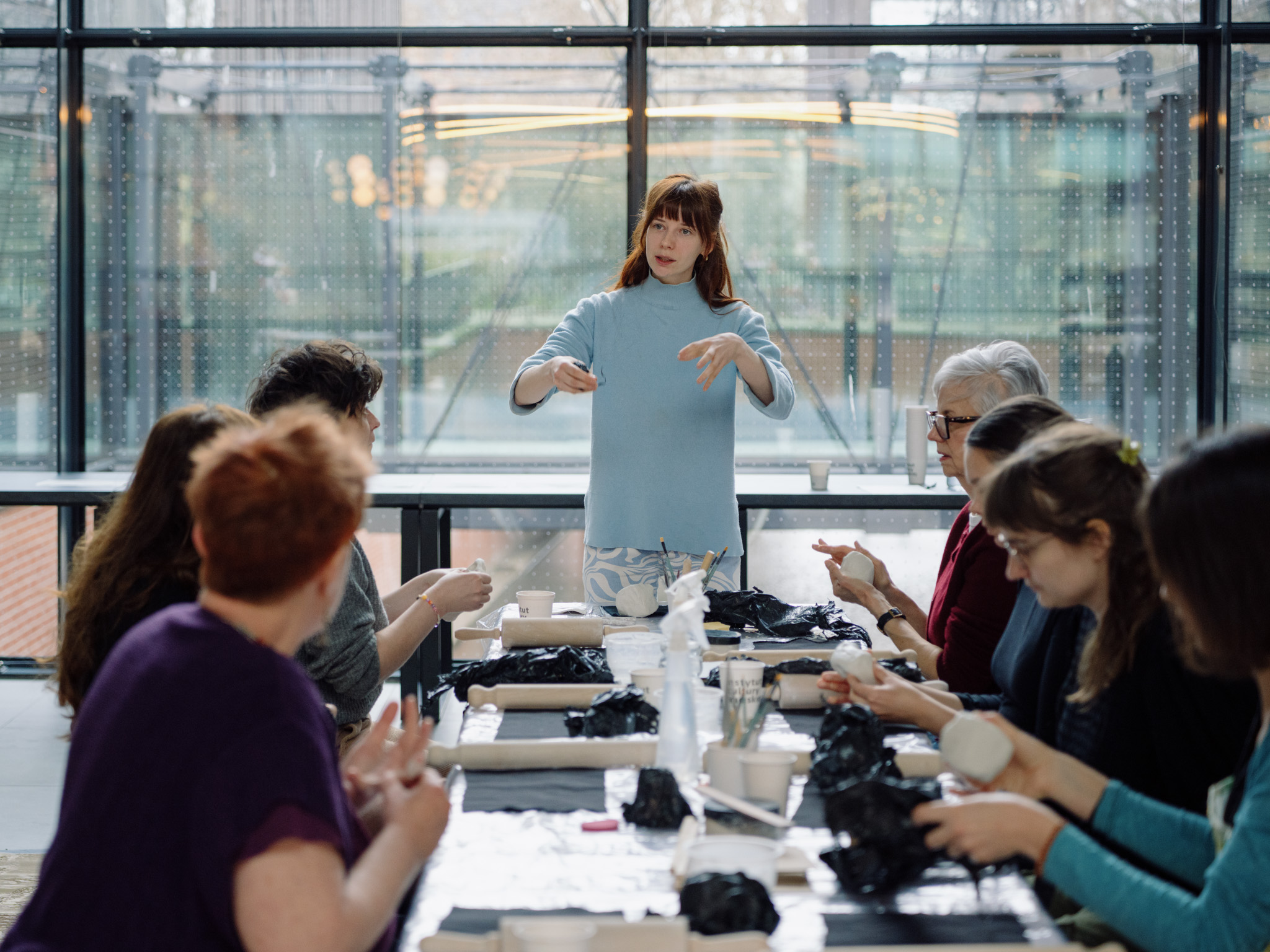
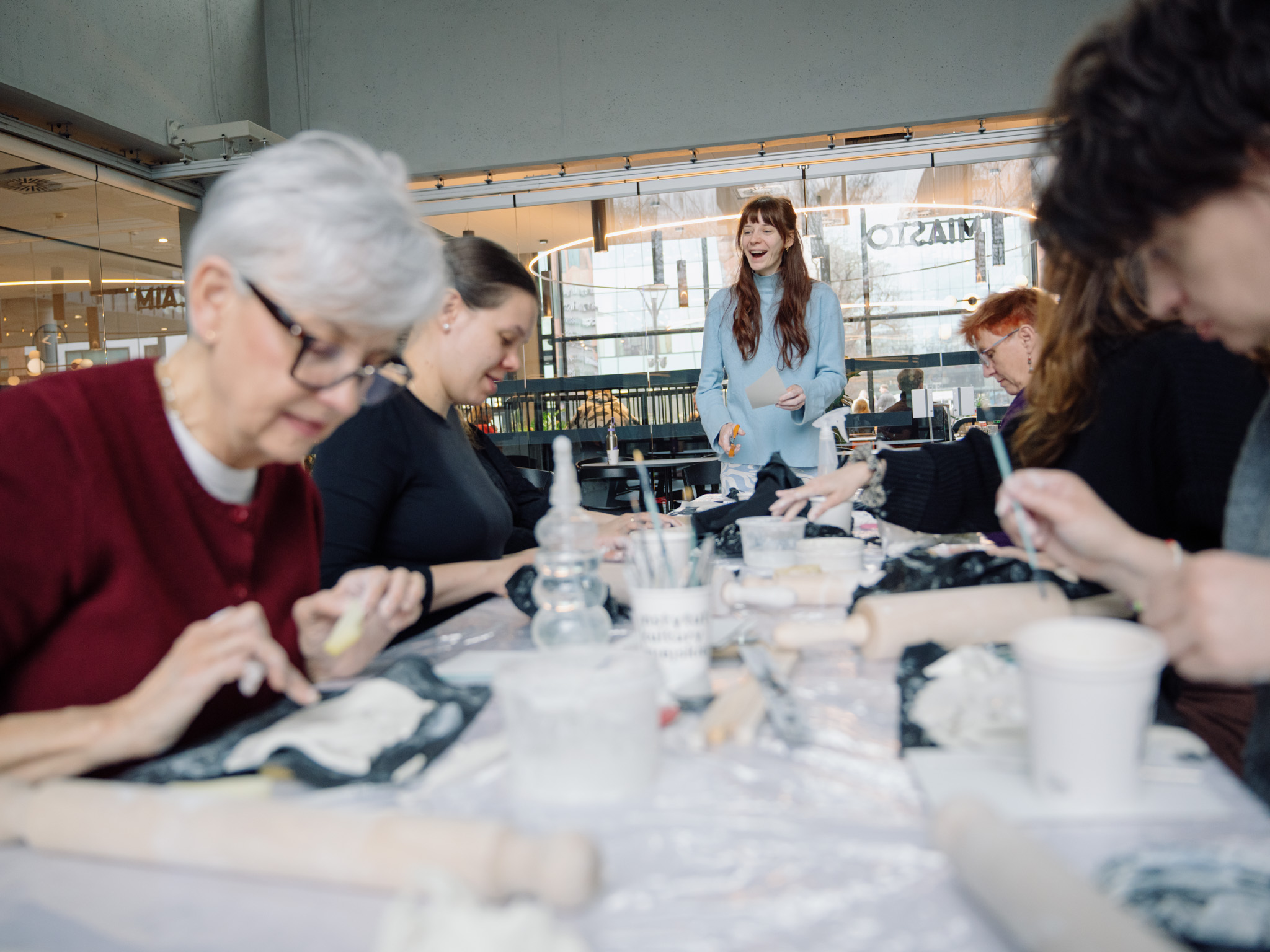
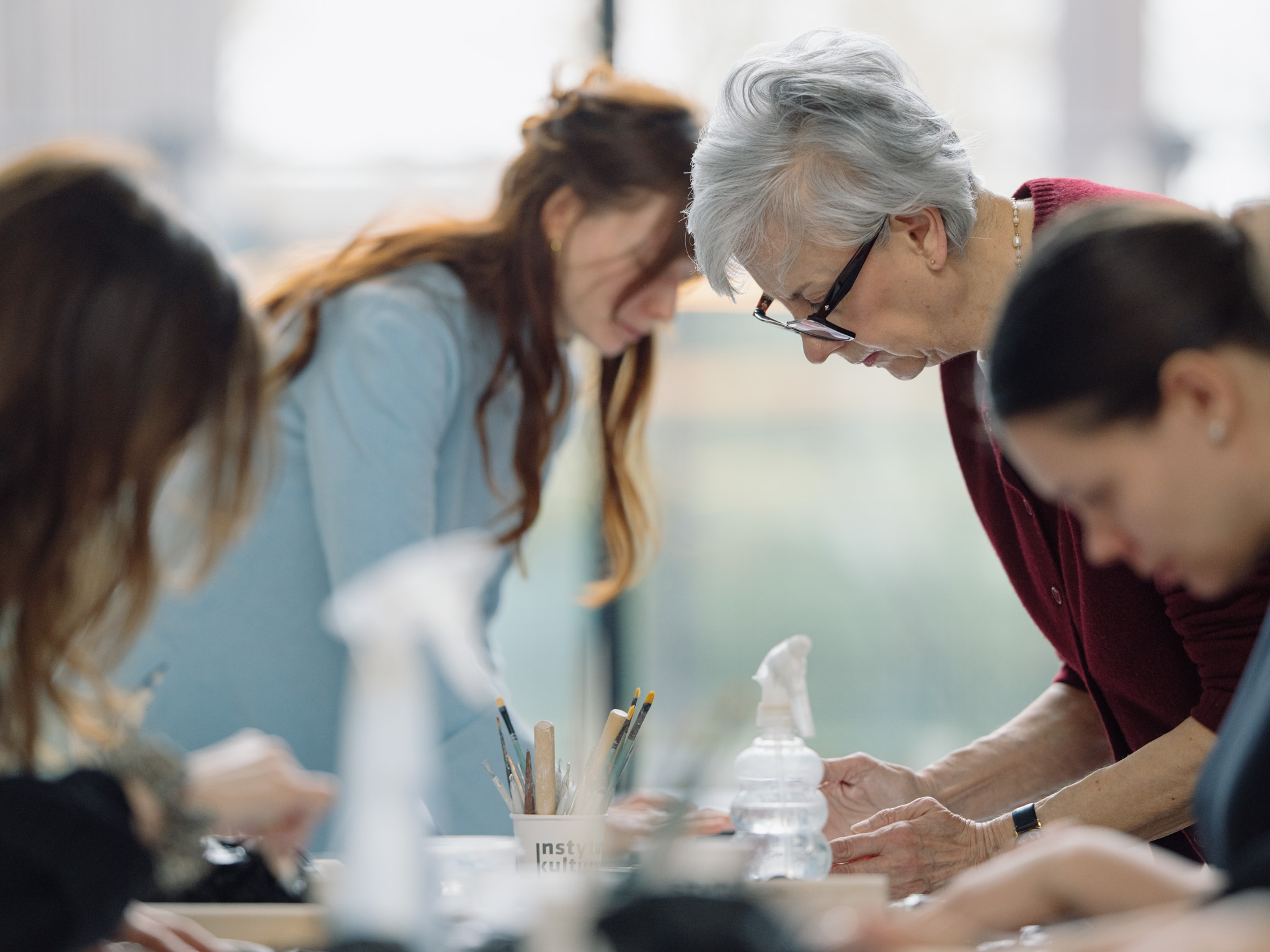
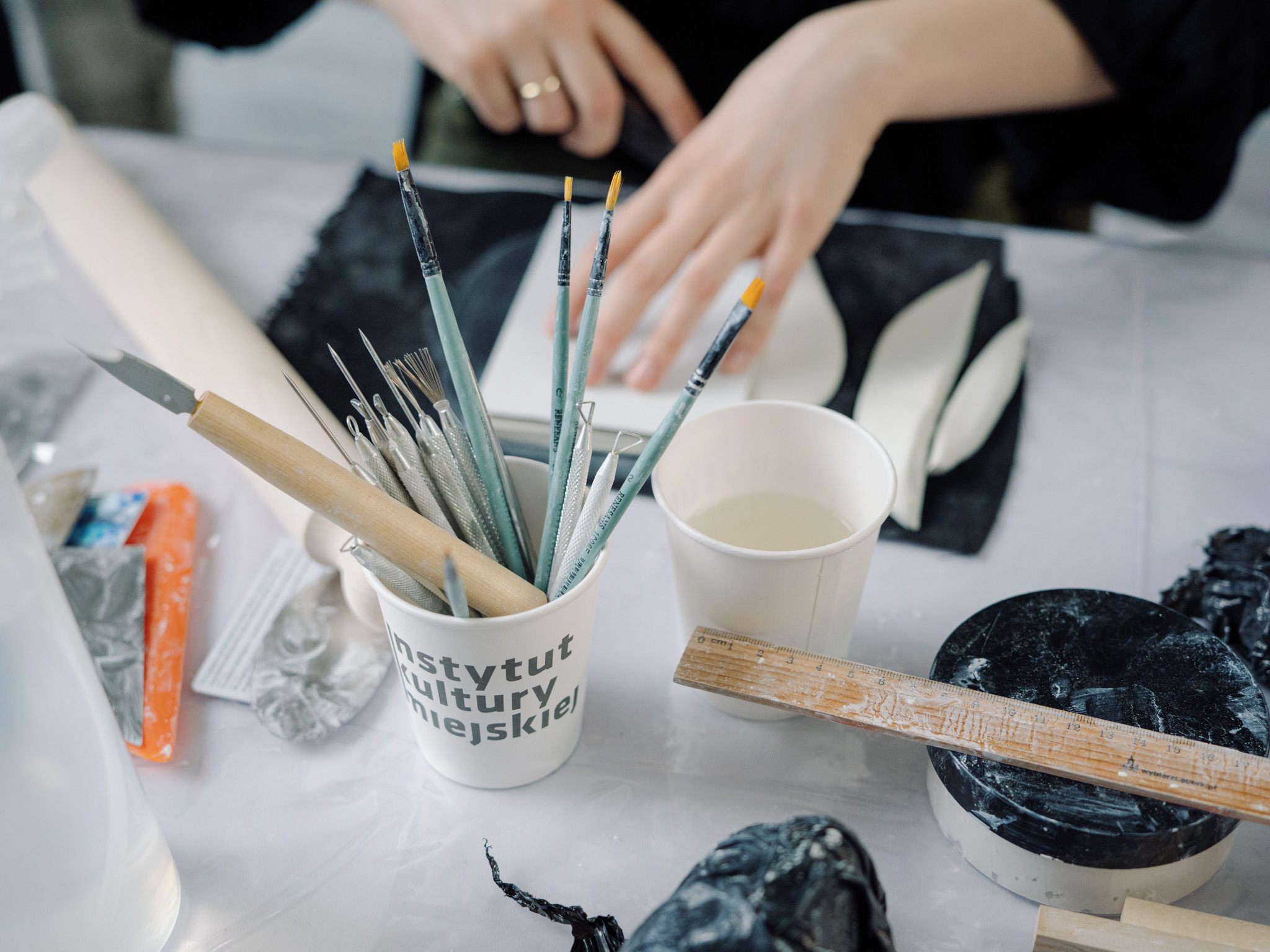
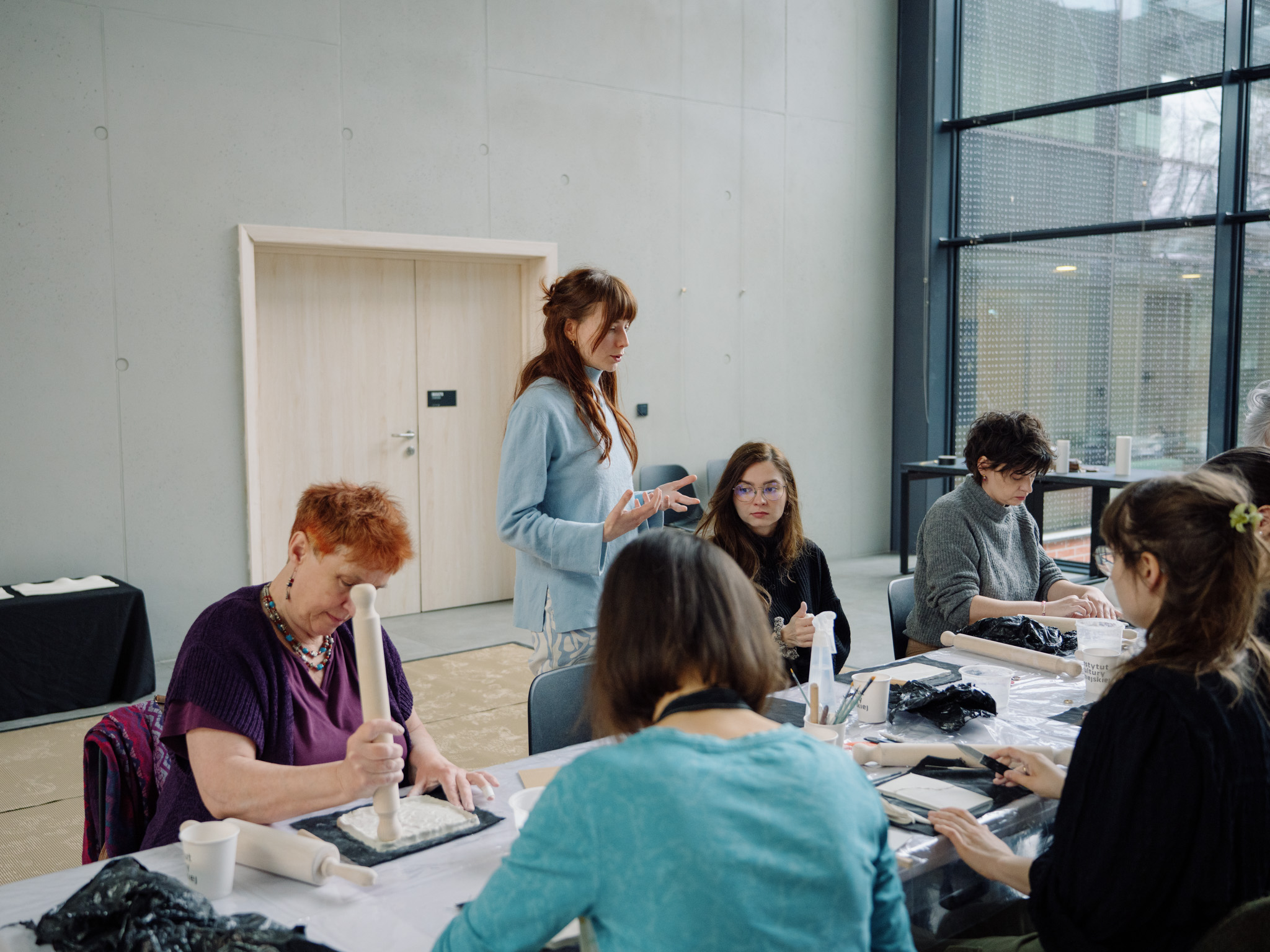
An integral part of the project was a workshop component based on practical work combined with moderated reflection. Participants developed technical skills while simultaneously learning attentiveness in working with a demanding material. This process supported the development of concentration, precision, and awareness of one’s actions, suggesting a potential transfer of these competencies into everyday practices and relationships with the natural environment.
Sub Heading
Sub Heading
Sub Heading
Sub Heading
Sub Heading
Sub Heading
Sub Heading
Sub Heading
Sub Heading
Sub Heading