
Move over a map to reveal the artwork. On touchscreens, use the round preview icon. Select a map to visit its exhibition.
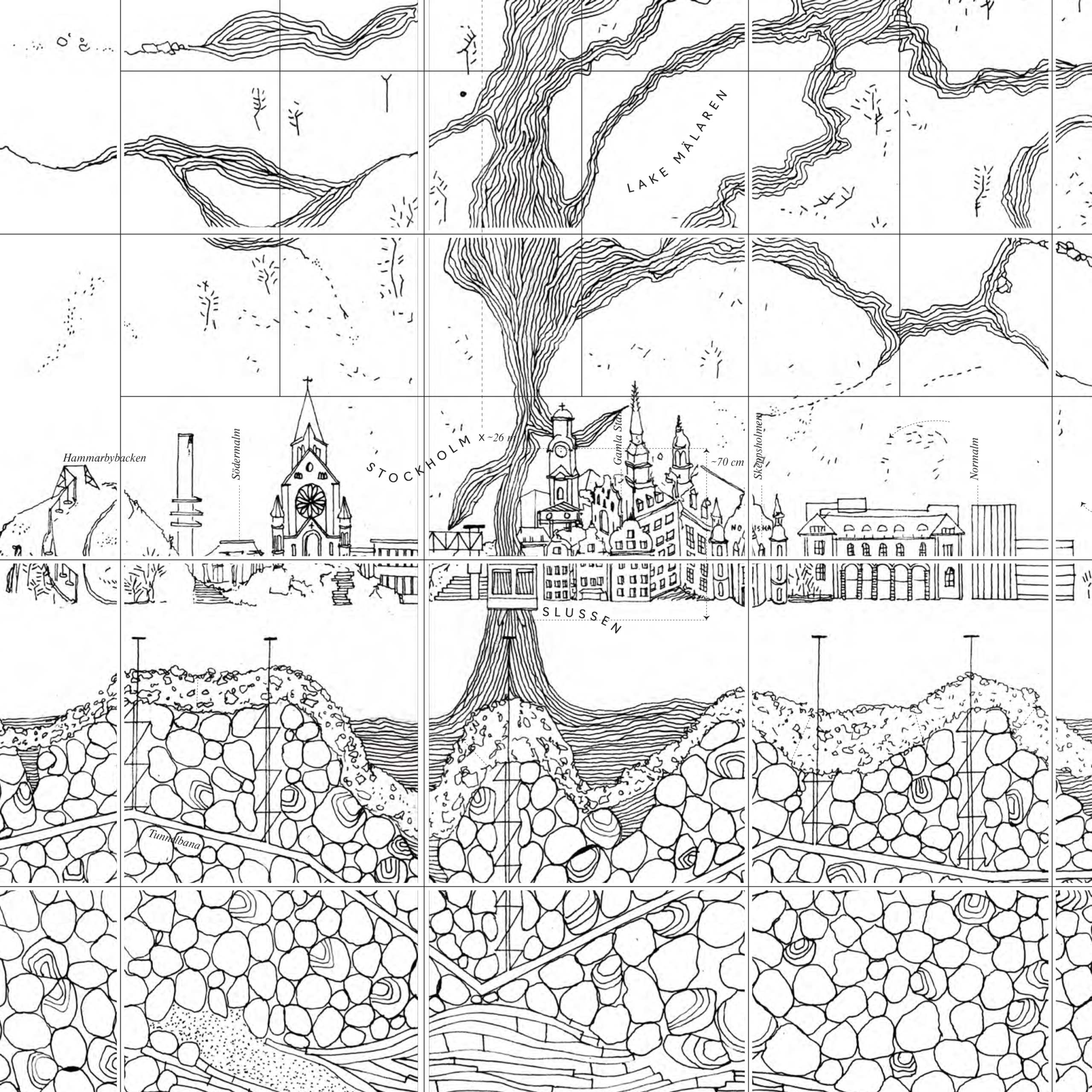
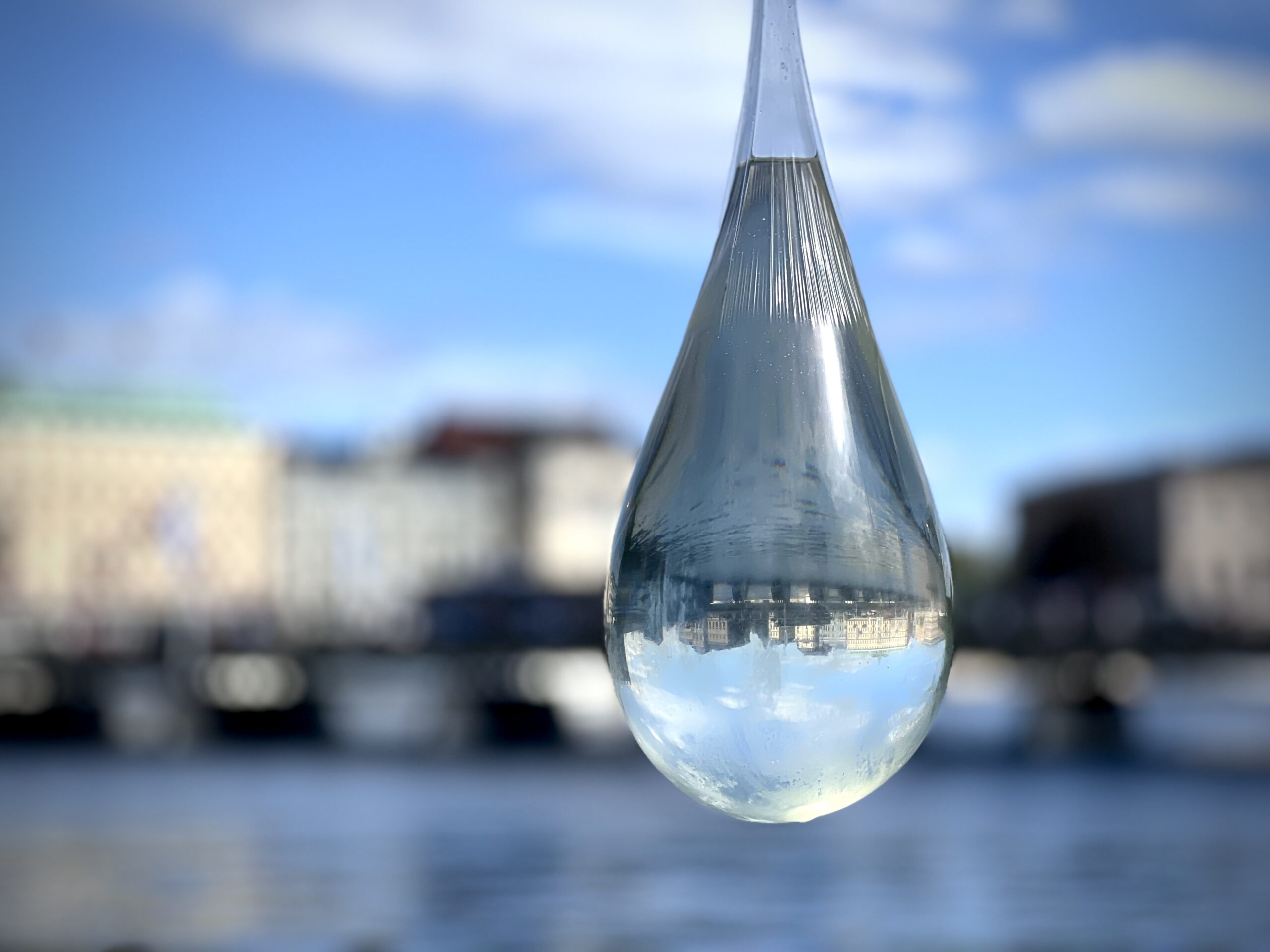
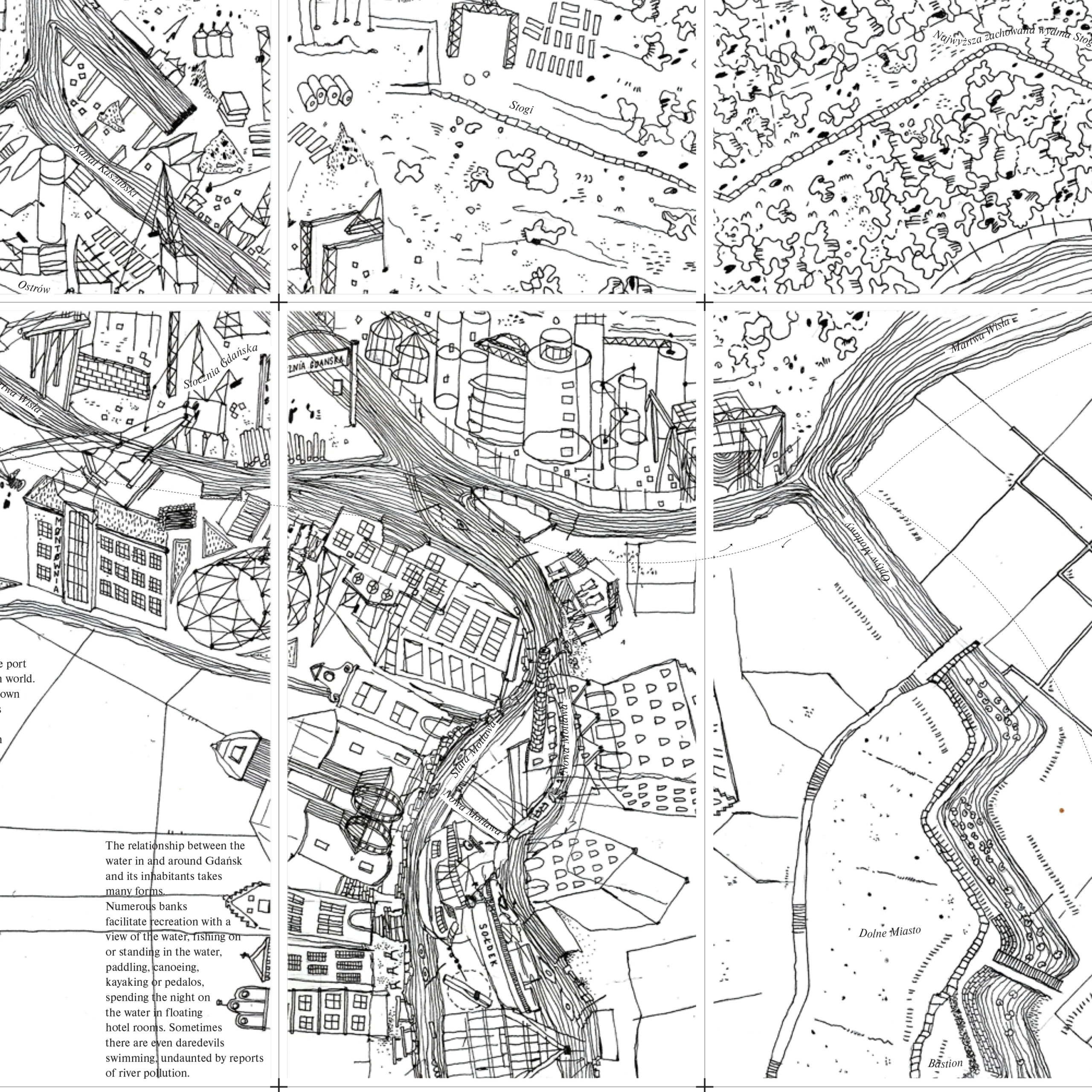
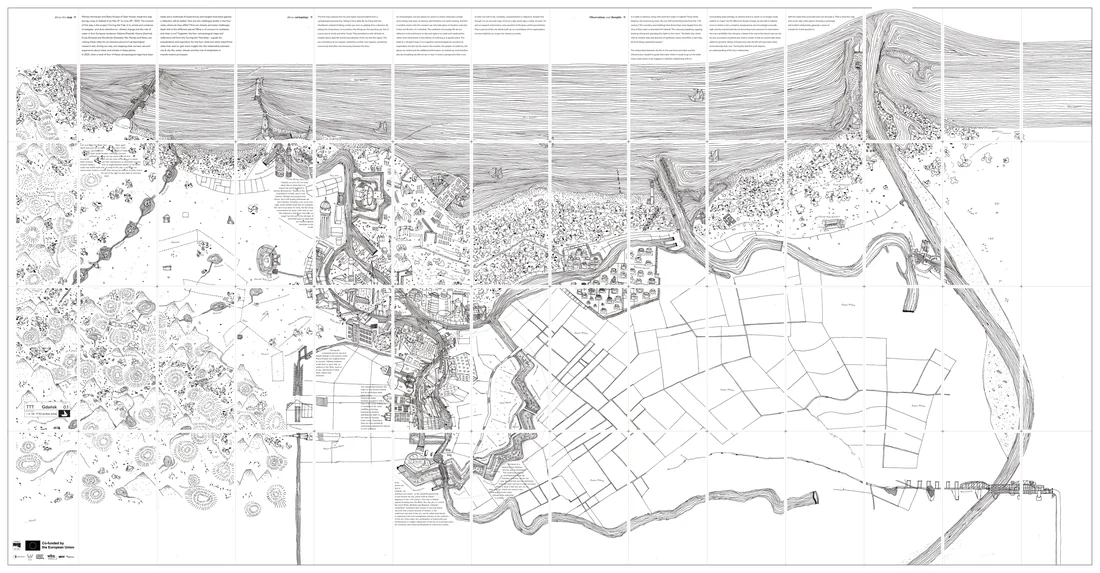
Cartopological Maps
Four places, four ways of seeing water and climate.
DIGITAL EXHIBITION / INTRODUCTION
Turning the Tide: Art, Place and the Climate Conversation
Four places, 42 artists, and many different experiences of climate change. This exhibition follows what happens when artistic practice meets local knowledge and lived experience. Begin with a place and explore the encounters that art made possible.
This exhibition begins not with the artists, but with the places.
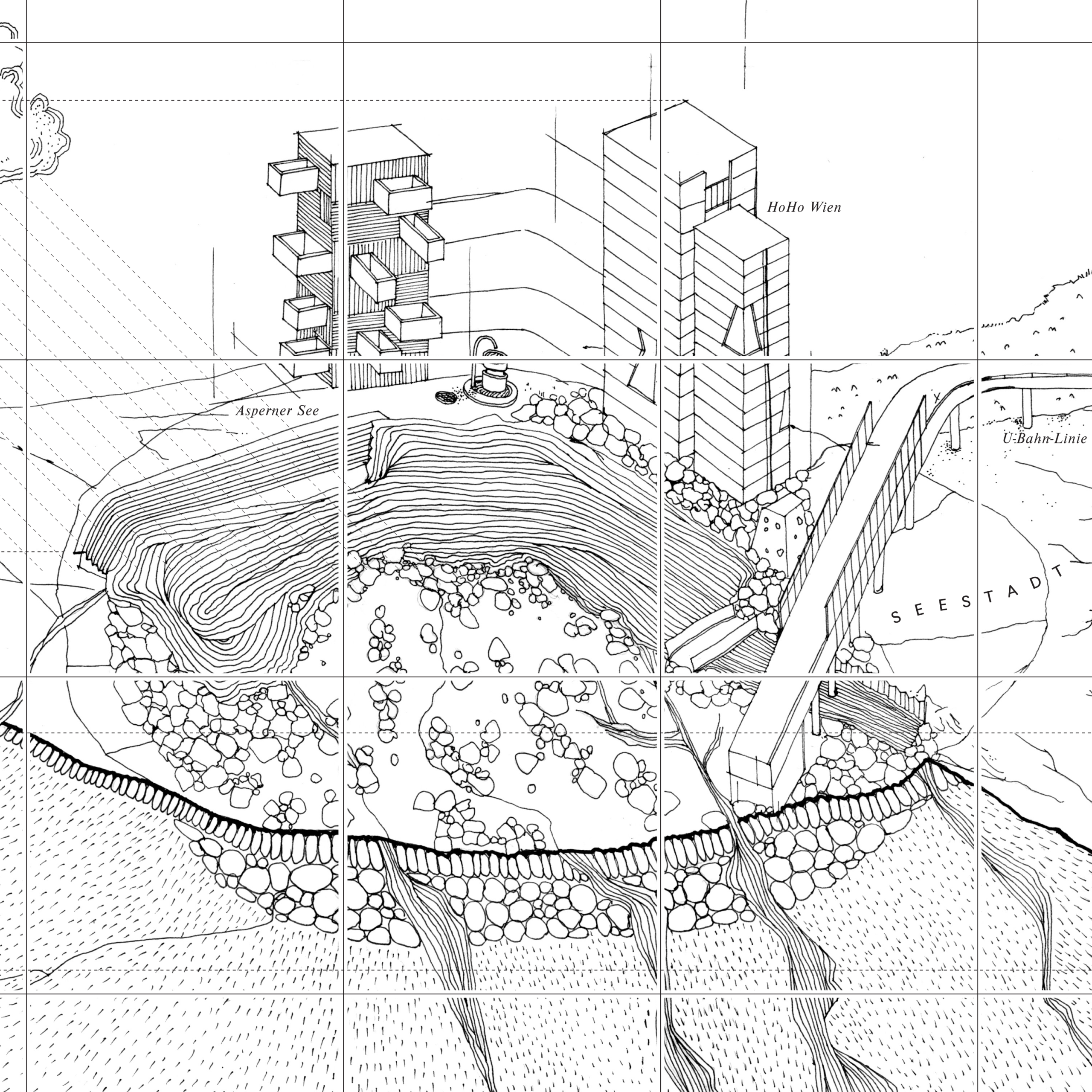
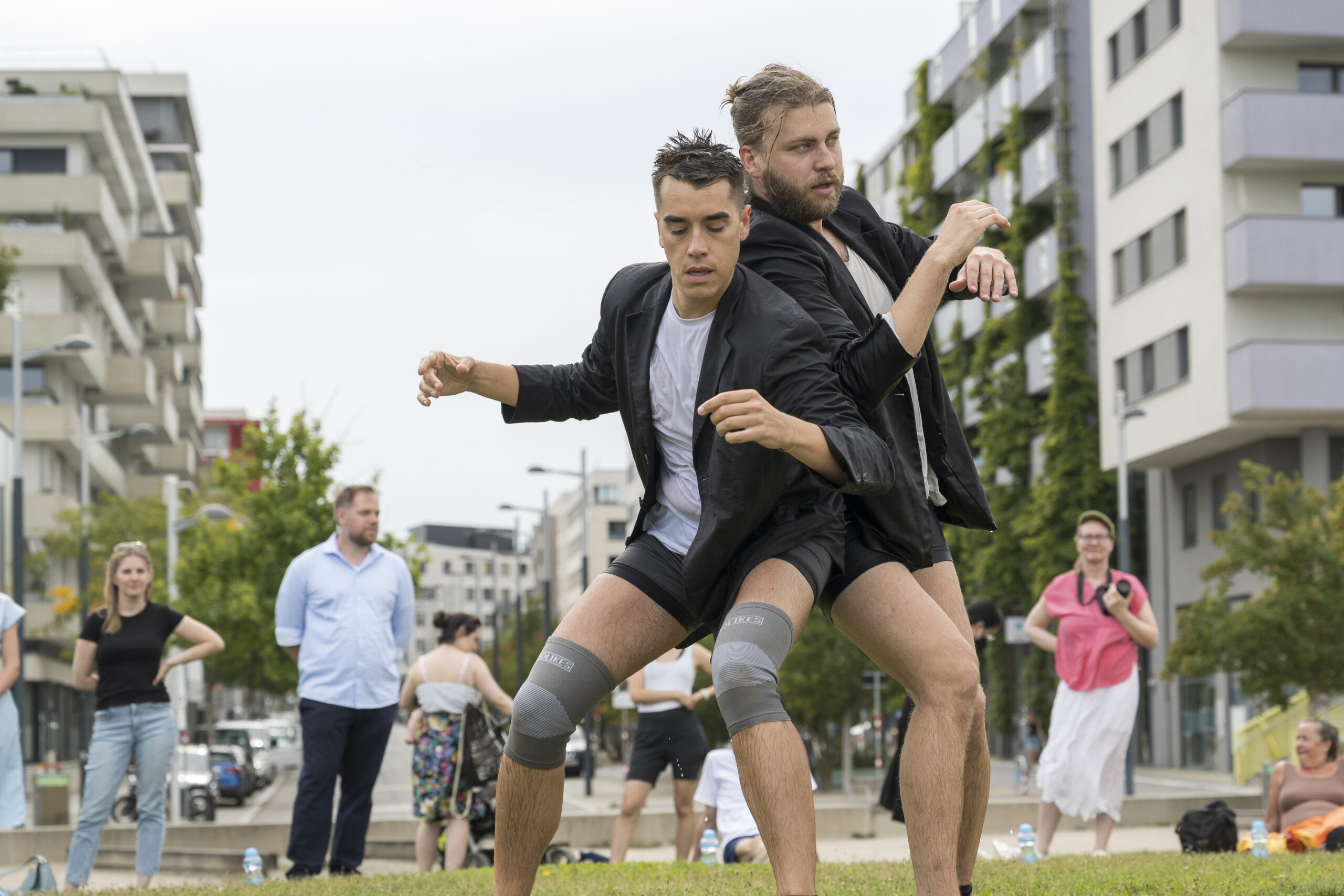
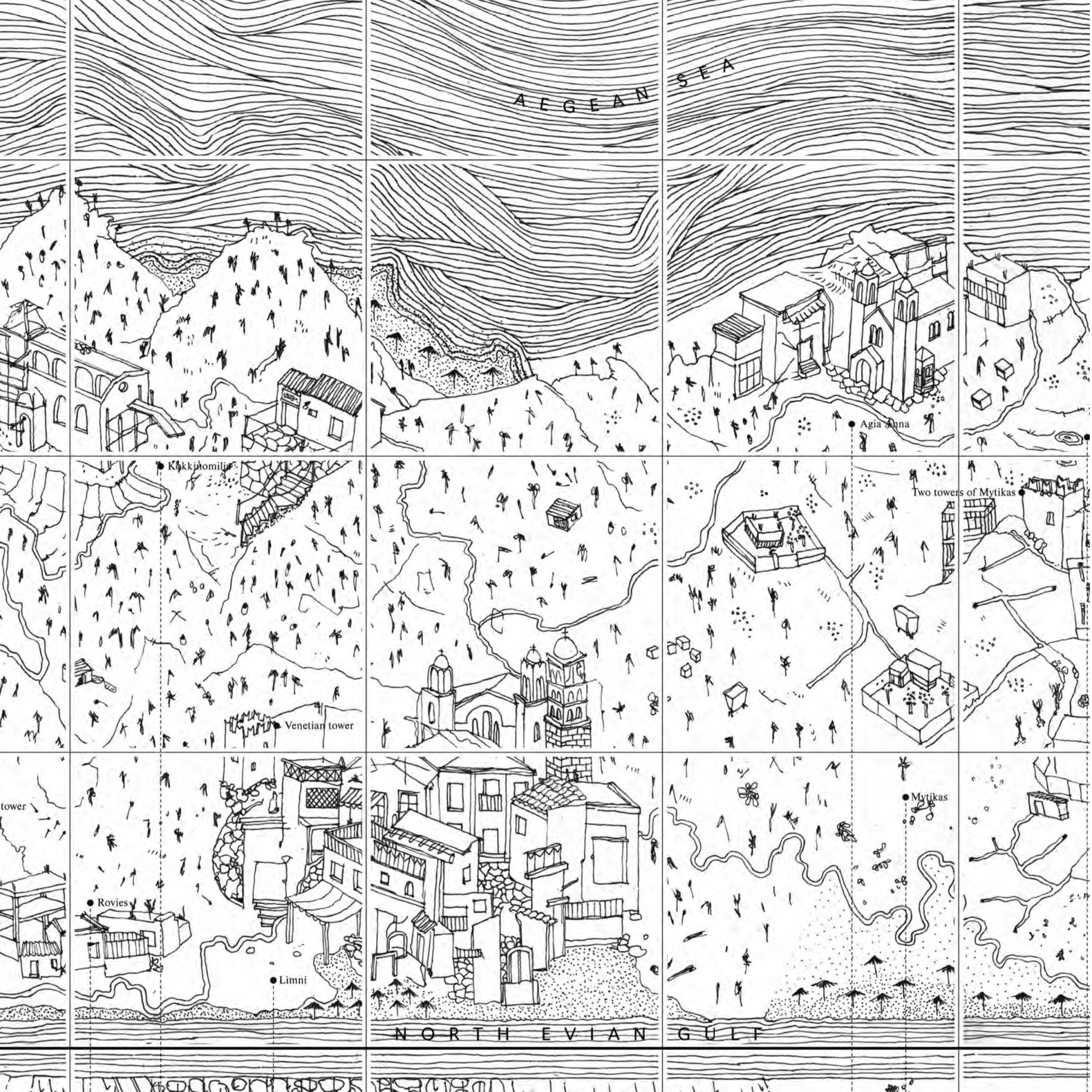
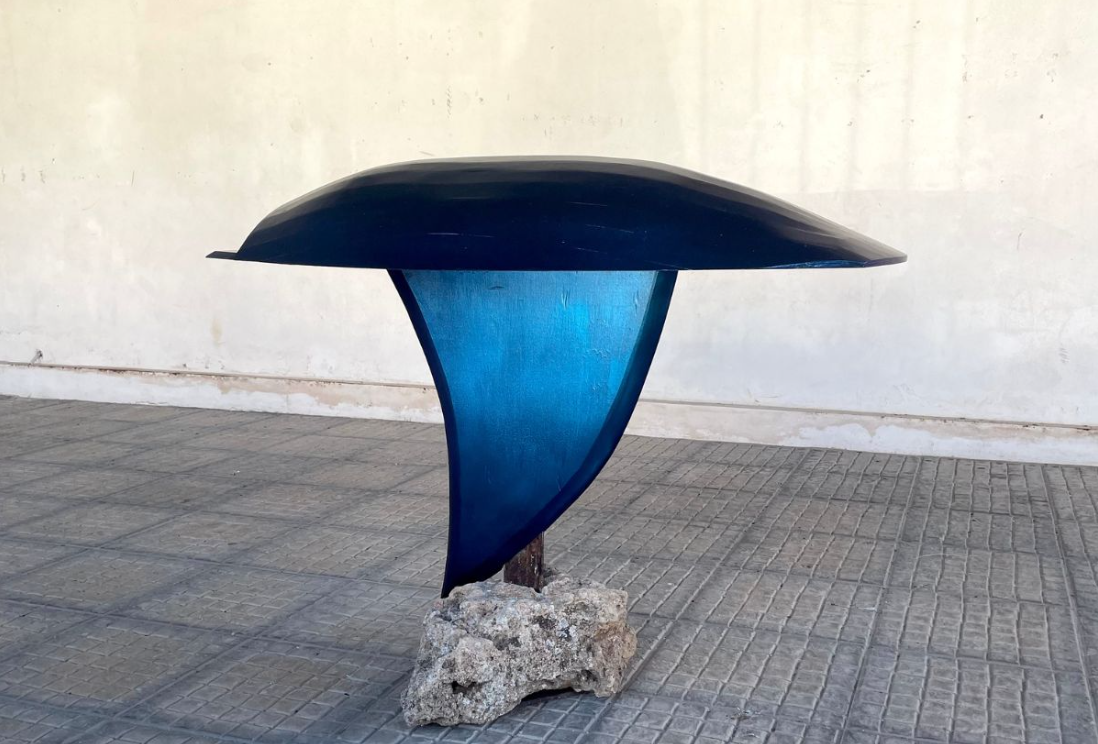
A post-industrial waterfront in Gdańsk, shaped by shipbuilding, labour history and ecological transition. A new urban district in Vienna, where community life is being built alongside streets, housing and civic infrastructure. Northern Evia, where wildfire and flooding have transformed landscapes, livelihoods and memory. Stockholm's Slussen, where major infrastructure is being reshaped in response to rising seas and the future security of freshwater.
These places could scarcely be more different.
That was precisely the point.
Turning the Tide brought together 42 artists (10 international and 32 locally embedded, including two Ukrainian artists) in a shared inquiry into climate change as it is actually experienced: locally, culturally, politically and emotionally.
The artists' biographies and descriptions of individual works can be found on the Turning the Tide website. This Digital Exhibition asks a different set of questions:
Why was this work made here?
What was happening in this place?
Whose knowledge entered the work?
What conversations did the artistic intervention make possible?
And ultimately:
What changed because artists entered the conversation?
One of the clearest findings to emerge across Turning the Tide was that there is no single European experience of climate change.
In Gdańsk, environmental questions were entangled with industrial history, energy, labour, civic identity and political memory. In Vienna, artists worked within a place still becoming, where questions of belonging, planning and community formation were inseparable from environmental futures. In Northern Evia, climate change was already a lived catastrophe: fire, flood, loss, recovery and mistrust were part of everyday experience. In Stockholm, by contrast, climate risk was largely encountered through planning, infrastructure, technological confidence and long-term adaptation.
Between Evia and Stockholm alone lies an extraordinary spectrum: from living after catastrophe to planning against catastrophe; from visible devastation to largely invisible future risk.
The artistic approaches had to change accordingly.
Artists walked, listened, mapped, filmed, gathered stories, worked with children, spoke with scientists, planners, activists and residents, and created performances, installations, films, public encounters and temporary interventions.
They were not asked simply to illustrate climate science or communicate predetermined messages. Their role was more open-ended: to notice what others might miss, to make connections between different forms of knowledge, and to create spaces in which people who rarely meet could begin to think together.
That became one of the project's most important impacts.
Scientists, planners, policymakers, artists, educators, activists and communities often enter climate conversations with very different responsibilities, vocabularies and assumptions. Turning the Tide repeatedly created situations in which these perspectives could encounter one another differently.
Sometimes the impact was public and visible: in the main square of Stockholm for example.
Sometimes it was much quieter as in Evia or Seestadt: a changed conversation, a new relationship, a resident feeling heard, a child seeing a familiar landscape differently, an artist carrying an idea home, or a collaboration continuing after the residency had ended.
This is why the exhibition is not simply a gallery of 42 separate artistic projects.
It is better understood as a map of encounters.
As you move through it, follow the water—look to the places as much as the artists. Notice what changes from one landscape to another. Look at where water, land, animals, infrastructure, memory and community enter the work. Look for moments when artistic practice shifts a conversation or brings different forms of knowledge into relation.
The Local Urban Labs show how this work became embedded in particular communities. The International Labs reveal what happened when experiences from different places were brought together. The Atlas carries that process further, bringing artistic research, mapping, reflection and lived experience into a wider European frame. All of these can be explored through our website.
Here, we invite you to enter through another door.
Begin with the place.
Look at what was already there before the artist arrived.
Then look at what became visible, discussable or possible because artists entered that place.
Because perhaps the real subject of this exhibition is not simply what 42 artists made.
It is what happened between art, people and place when climate change became something to inquire into together.