Christina Maridaki

Christina Maridaki is an artistic researcher based in Athens, whose practice is deeply rooted in participatory and socially engaged art. Through the mediums of workshops, performance, and video, she designs and facilitates processes of care that invite collective participation. Her work delves into the cultivation of agency, resistance, and autonomy through communal play and leisure. Central to Christina’s work are themes of gender, identity, sense of place, oppression, and degrowth. She investigates the nuances of these themes by examining (tacit) performativity and reimagining rituals, often drawing inspiration from gendered cultural heritage. Her practice seeks to reclaim and reshape these rituals, offering new perspectives and fostering a sense of belonging and self-determination. By engaging with these critical issues, Christina aims to add to the ongoing conversation on equity with practices that are transformative and inclusive. She invites participants and viewers alike to reflect on their own roles within these contexts, promoting a deeper understanding of the interconnectedness of personal and collective experiences.
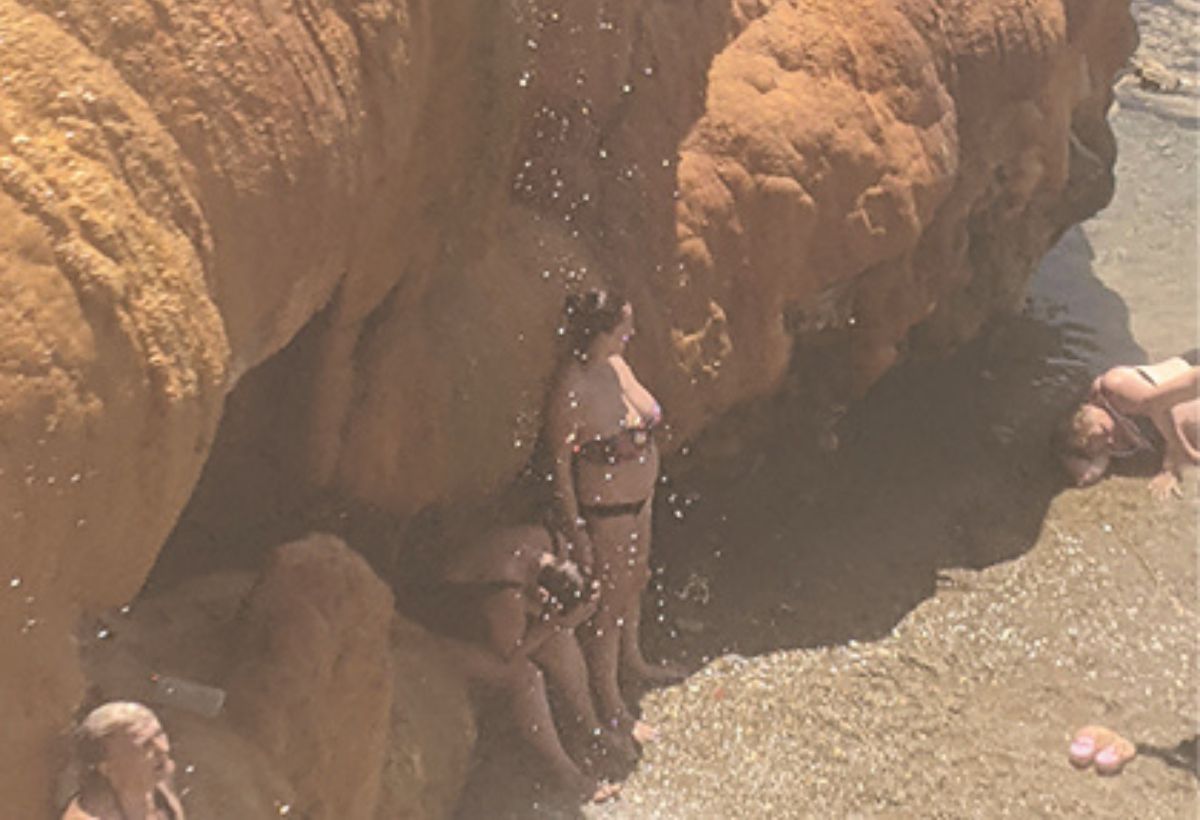
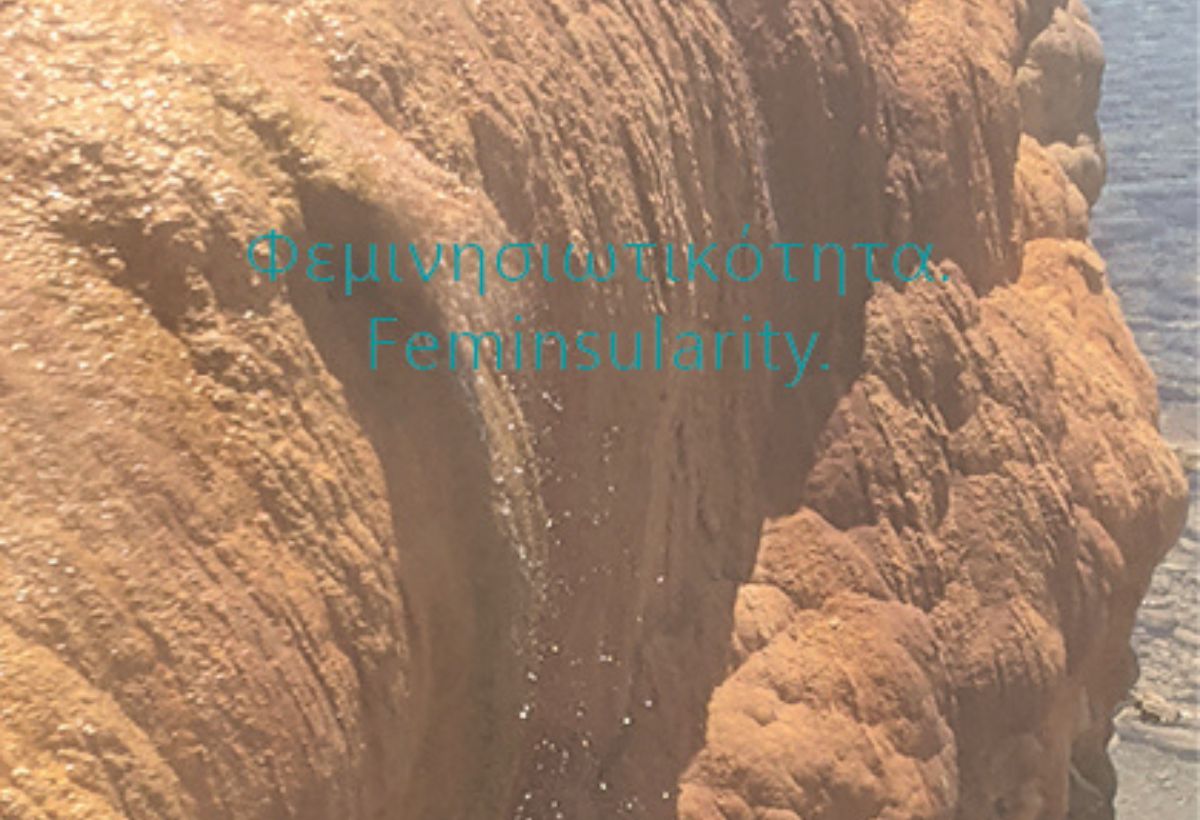
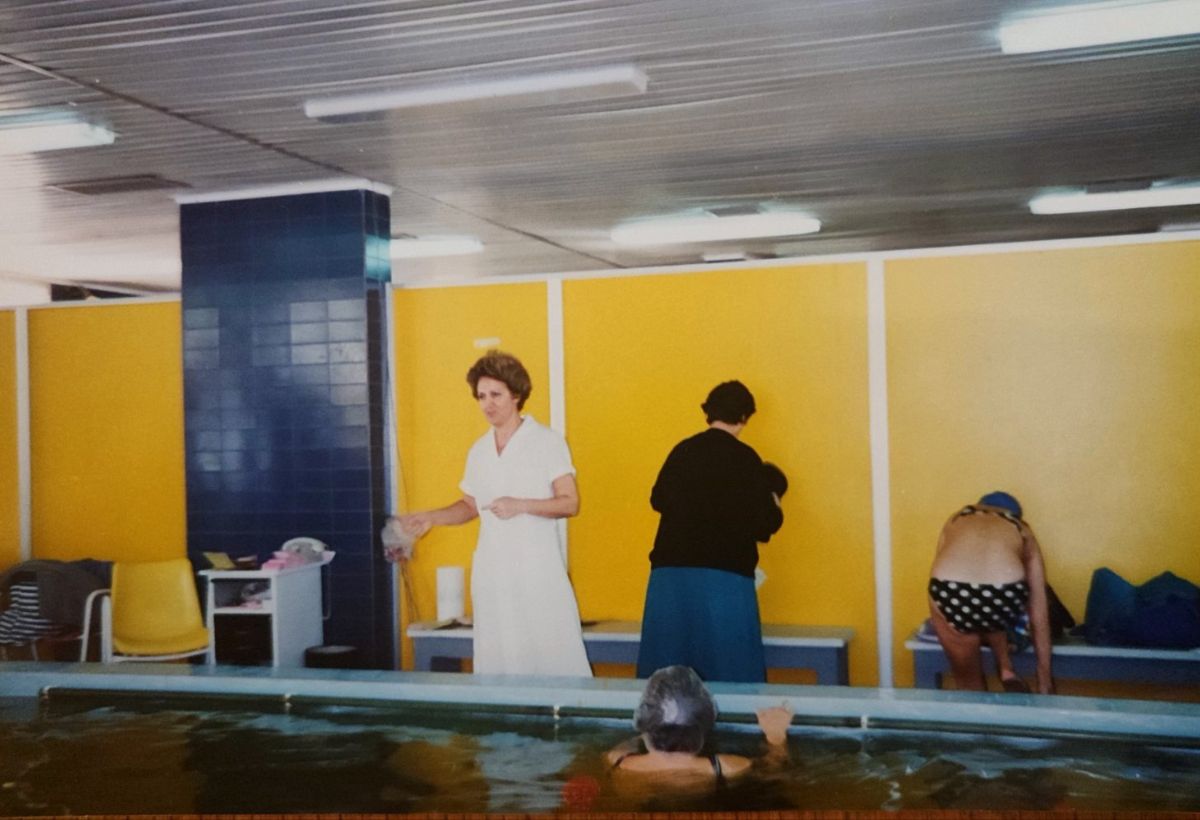
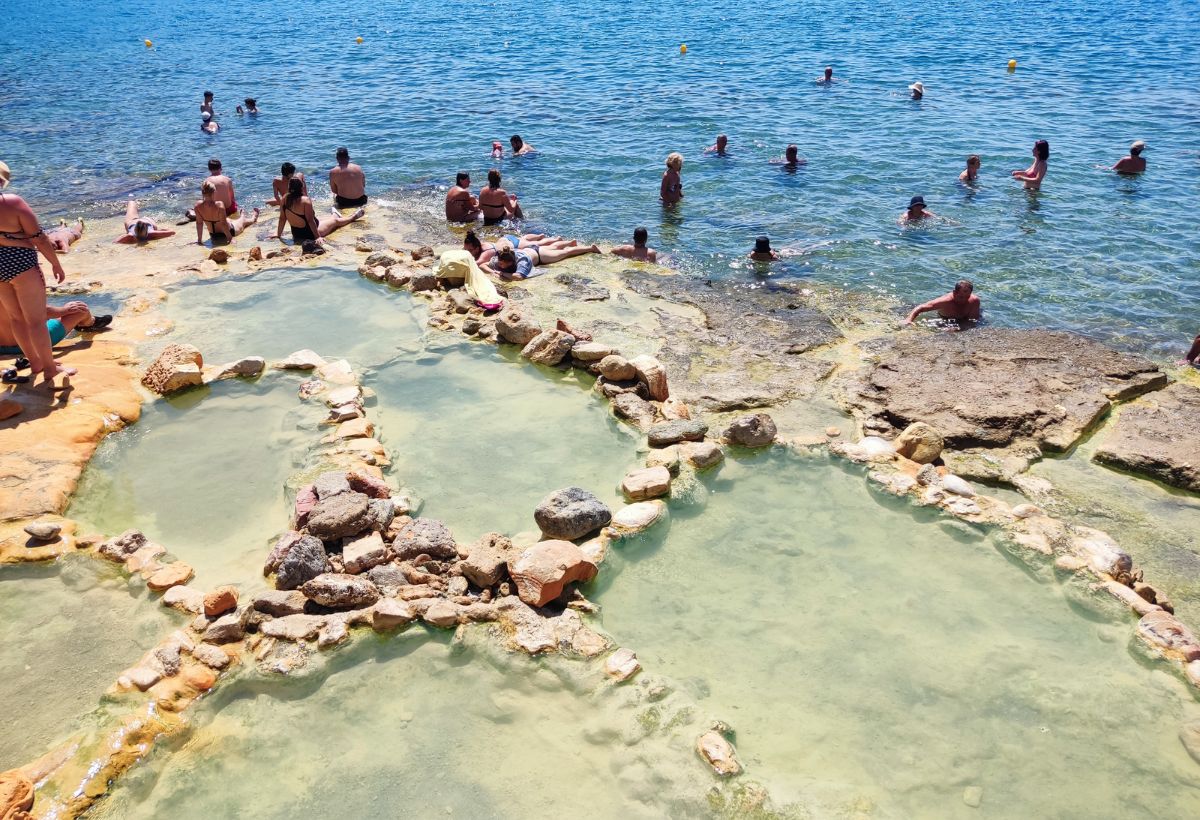
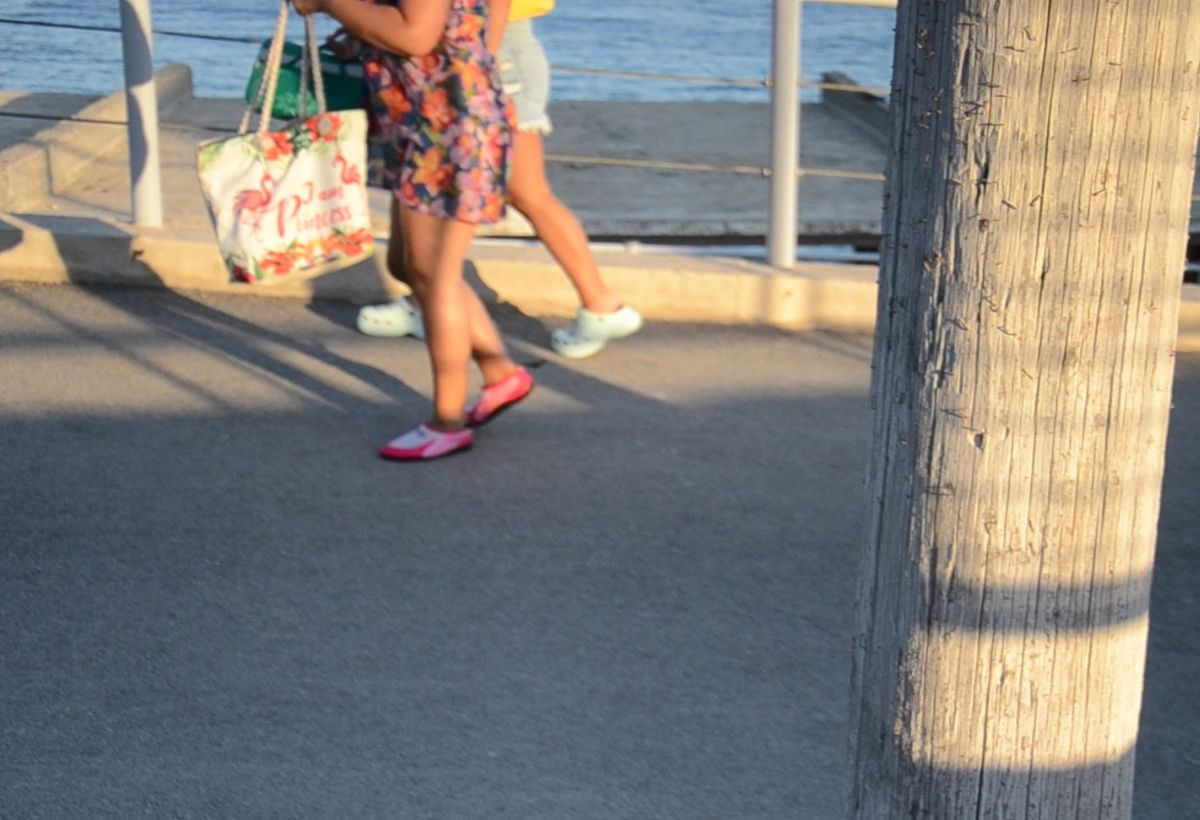
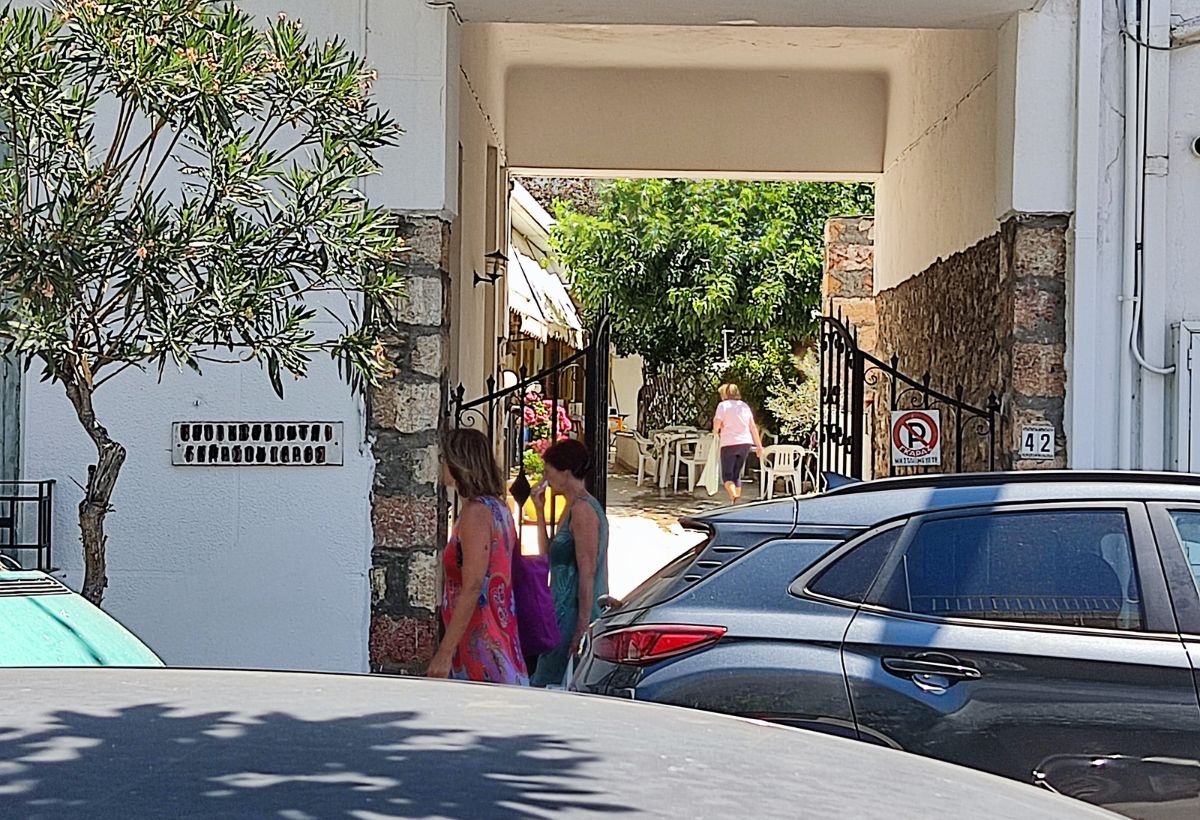
“Feminsularity describes the dual state of embodying femininity while living as an island resident. The documentary explores the lived experiences of women in Edipsos surviving climate crises, remaining connected to place and nature, and embracing healing as a feminine tool. I wanted to document and honor the ways women organize, whether through community assemblies or through decisions as simple yet vital as how to prepare meals with scarce supplies and their expertise in navigating their struggles. I chose to include both interviews and sources on ecofeminism not to validate what was shared in Edipsos, but to highlight how our experiences resonate, coexist, and converse across time and space. Women’s practices, such as empathy and community care, became a kind of magic because magic could be deemed blasphemous. Religion, meanwhile, served to excuse male practices of extractivism and imperialism, allowing powerful men to establish supremacy in every ‘new world.’ This project calls for our intersectional struggle for self-determination and self-sufficiency to once again center the daily practices of femininities in affected regions such as North Evia, recognizing them as both combative and transformative forms of resistance and survival.”