Through the works of Reinhold Zisser, Sonya Darrow, and Sebastian Schmidt (with Viktoria Becker), LUL 4 created a space in which participation, embodiment, and reflection on contemporary infrastructures became central.
Water as a Shared Material and Collective Process
The project Watersculptures by Reinhold Zisser and Sonya Darrow focused on water as both a physical and symbolic medium.
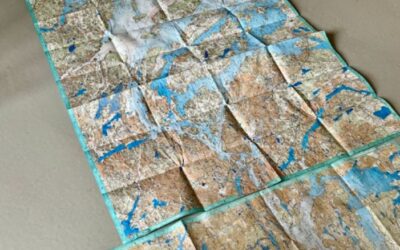
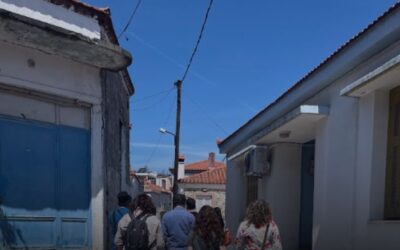
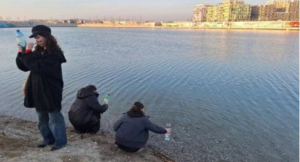
Through a series of participatory workshops across different water environments in Vienna, Danube, Seestadt, and Lobau, participants collected, carried, and mixed water. This process transformed water into a shared material that connects places, experiences, and perspectives.
Rather than producing a single fixed artwork, the project generated a collective process. Participants developed their own artistic responses, resulting in a diverse set of works ranging from minimal gestures to more complex installations.
The final presentation, Turning the Tide: Watersculptures, took place at the LLLLL artist-run space in Seestadt Aspern and remained publicly accessible for one week. It brought together approximately 20 works, including both water-based objects and expanded artistic interpretations.
Embodying the Invisible: Technology, AI and Water
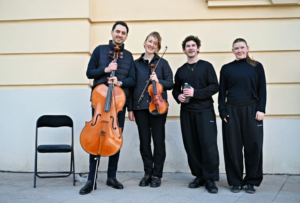
While Watersculptures focused on physical interaction with water, Sebastian Schmidt, together with Viktoria Becker, approached water from a different angle: as part of the hidden infrastructures behind digital technologies.
Their project, The Weight of a Prompt, examined the environmental impact of artificial intelligence, particularly the often invisible relationship between data processing, energy consumption, and water usage in data centers.
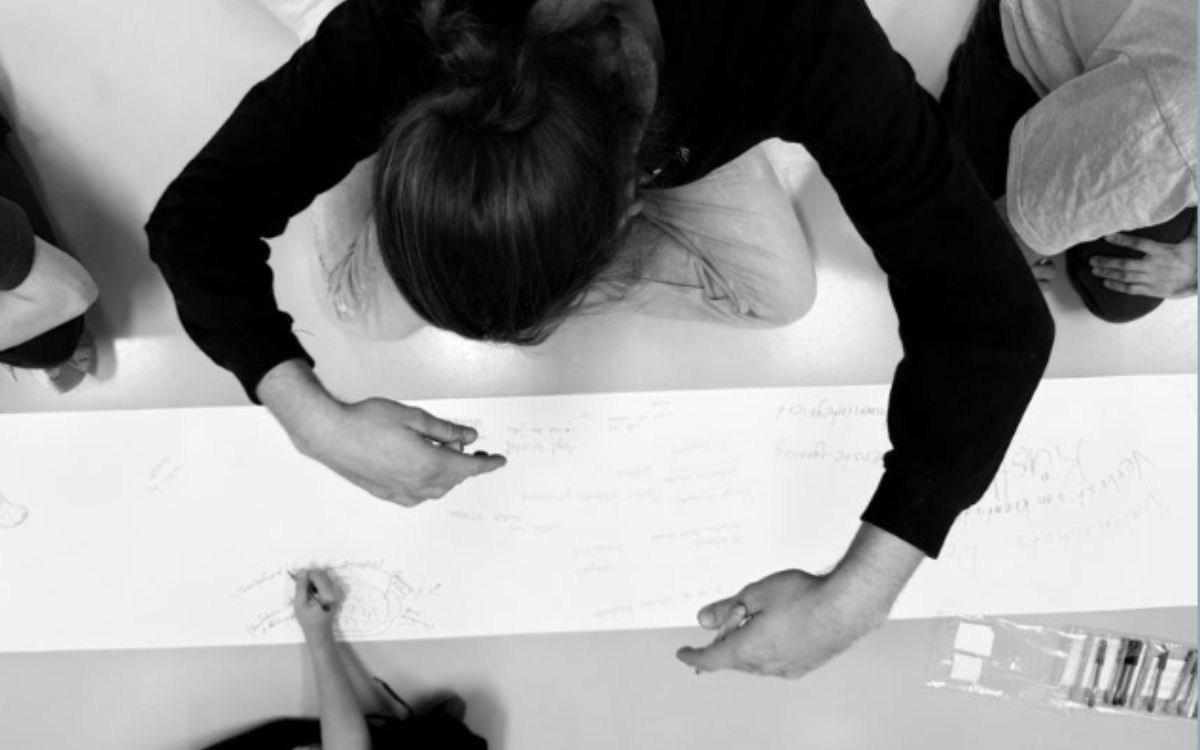
Through a participatory workshop and a performative final presentation, the project translated these abstract systems into embodied experiences. Movement, repetition, and physical tension became tools to explore how digital processes affect the material world.
Presented at the MuseumsQuartier in Vienna, the performance created a strong sensory experience, allowing audiences to engage with the environmental cost of technology beyond theoretical understanding.
From Individual Action to Collective Awareness
A key strength of LUL 4 lies in its collective dimension.
Both projects relied on active participation:
- Participants in Watersculptures became co-creators
- Participants in The Weight of a Prompt contributed to the development of the performance
This participatory approach shifts the role of the audience, from observers to contributors, and creates a deeper level of engagement.
Water, in this context, becomes more than a theme. It becomes a medium that connects people, places, and systems.
Between Physical and Digital Realities
LUL 4 also highlights an important tension of our time: the relationship between physical and digital environments.
- Zisser and Darrow work with water as a tangible, shared material
- Schmidt and Becker reveal how digital systems depend on physical resources such as water
Together, these approaches expand the understanding of sustainability, showing that environmental responsibility must include both visible and invisible systems.
Connecting Local Practice with European Perspectives
The results of LUL 4 were embedded within the broader framework of Turning the Tide, linking local artistic practices in Vienna with international exchange formats.
Through the work of the Wiener Bildungsakademie, the projects of Reinhold Zisser, Sonya Darrow, and Sebastian Schmidt (with Viktoria Becker) became part of a European dialogue on climate, water, and the future of urban life.
Why LUL 4 Matters
LUL 4 demonstrates that sustainability is not a single issue, but a network of interconnected systems.
Through the works of Reinhold Zisser, Sonya Darrow, and Sebastian Schmidt (with Viktoria Becker), water becomes:
- a shared material connecting people and places
- a hidden resource within digital infrastructures
- a catalyst for collective reflection and participation
By combining physical interaction, artistic production, and critical engagement with technology, Turning the Tide, together with the Wiener Bildungsakademie, shows how art can make complex environmental systems visible, understandable, and experienceable.