Ludmila Christeseva

Artist in Residence
Supporting Organization:

Font Awesome Icons
Based in: Sweden
Participated in: Stockholm Local Urban Lab

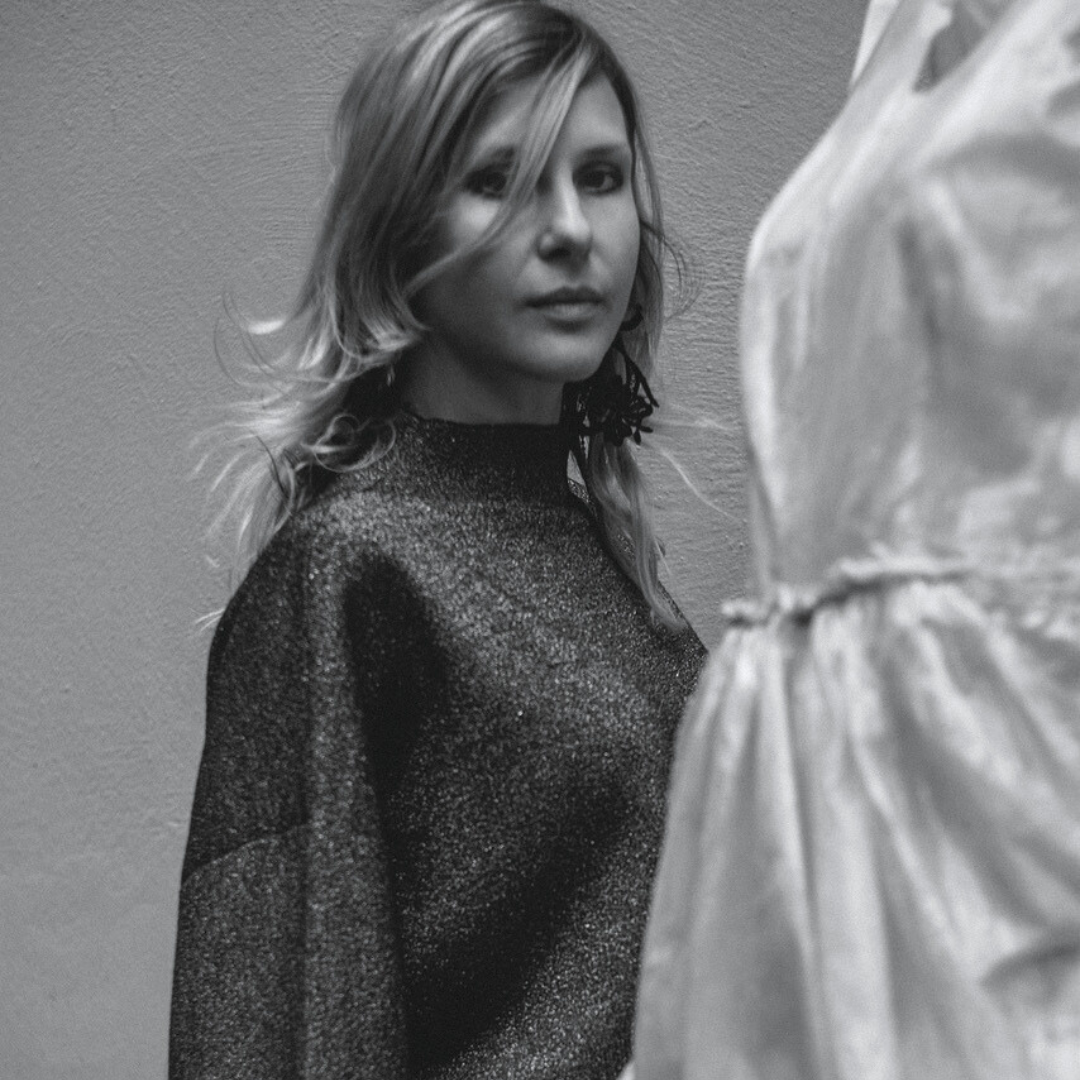
Ludmila Christeseva is an artist and curator currently focused on addressing climate issues through art. Her collaboration with climate activists aims to raise awareness about environmental issues and foster community discussions on sustainable solutions. By creating artworks that visually reflect environmental degradation and the urgent need for action, Christeseva bridges the gap between social engagement and artistic expression. This initiative is part of her broader commitment to using creative practices as a means to highlight pressing global concerns and inspire positive change.

Beyond her climate-focused work, Christeseva has launched several international projects amplifying female voices in the arts. Notably, she works to elevate Belarusian women artists on the global art stage, supported by the Swedish Institute. Since the outbreak of war in Ukraine, she has also initiated efforts to support Ukrainian women and children forced to flee due to the conflict.

Colleagues often interpret her focus on baking and crafts, such as weaving, as forms of protest. However, for Christeseva, these practices are nostalgic expressions of femininity, a return to traditional roots that empower through community and connection. Her dedication to crafts and social engagement allows her to foster unity and resilience, advocating for both peace and environmental stewardship.

The project explores the beauty of Stockholm’s archipelago while focusing on the environmental issue of water pollution. Through the lens of a dedicated group of divers actively working to remove plastic and other pollutants from the waters, the project ties together art and activism in a meaningful way.

Ludmila Christeseva proposes several creative activities and toolkits on how to engage friends and colleagues into meaningful conversations about water conservation and sustainability while fostering teamwork and creativity. She starts with creating a symbolic fish soup using recycled materials like plastic as an artistic representation of how pollution is affecting marine life and water systems. The act of making the soup challenges participants and viewers to reflect on the future of water bodies, sustainability, and the lasting impacts of pollution. Additionally, Ludmila incorporates recycled materials into crafting dynamic installations that symbolize future fish, encouraging participants to think creatively about waste and its transformation into art. These hands-on interventions are accompanied by thought-provoking questions to foster deeper understanding and inspire collective action.

These activities are ideal for team-building events, CSR kickoffs, and corporate workshops focused on environmental responsibility. By engaging in these activities, teams not only contribute to raising awareness about water pollution but also build stronger connections through shared experiences and a unified commitment to sustainability.