Climate and Culture Summit Positions Artists at the Heart of Urban Change
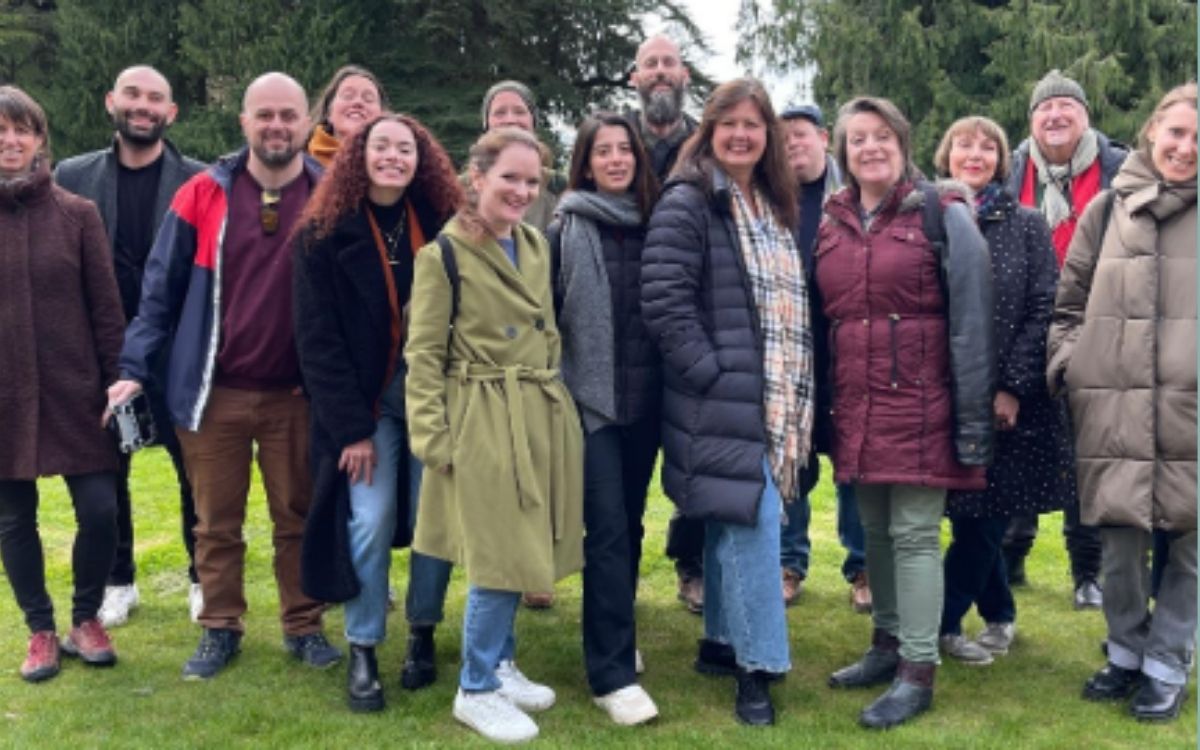
Glasgow played host to an ambitious gathering of artists, planners, policymakers and cultural leaders in the spring of 2023, as the Climate and Culture Summit brought together international and local voices to explore the role of culture in responding to the climate crisis.
Part of the wider Turning the Tide European collaboration, the summit marked a significant moment for Scotland’s growing reputation as a leader in socially engaged cultural practice. Over three days, participants examined how creative approaches can influence not only public perception but also the systems and structures shaping urban life.
The summit opened with contributions from key figures across culture and government, setting out a shared recognition: that climate change is not only an environmental issue, but a cultural one. Discussions highlighted the limits of technical solutions alone, arguing instead for deeper shifts in values, behaviours and governance: areas where artists are increasingly playing a critical role.
Central to the programme was a focus on cultural planning – an approach that places culture at the heart of decision-making in areas such as urban development, health and sustainability. Through a series of presentations and case studies, contributors demonstrated how long-term, place-based artistic engagement can open up new forms of dialogue between communities and institutions.
Fieldwork in Govan provided a grounded example of this in action. Participants explored local projects engaging with the River Clyde, where artists have been working alongside residents, activists and planners to reframe relationships between people, place and environment. These initiatives illustrated how creative practice can surface alternative narratives and challenge dominant models of development.
Importantly, the summit did not shy away from the complexities of this work. Conversations acknowledged the growing pressures faced by communities, from climate anxiety to social and economic strain. They questioned how responsibility is often placed on individuals rather than systems. In this context, the role of the artist was framed less as a problem-solver and more as a catalyst: someone who can provoke new ways of seeing and thinking.
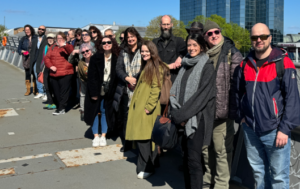
International perspectives enriched the dialogue, with partners from across Europe sharing experiences from diverse river cities. This exchange underscored the value of transnational collaboration, not as an abstract ideal, but as a practical means of learning across contexts facing shared challenges.
As the summit concluded, a clear message emerged: meaningful climate action requires more than policy shifts; it demands cultural transformation. By bringing together artists, communities and decision-makers, the Climate and Culture Summit offered a compelling vision of how that transformation might begin.