In 2025, Turning the Tide, the local artistic residencies in Gdańsk, invited audiences to encounter the city’s ecological realities through two strikingly different, yet deeply connected artistic projects. Hosted by the Institute of Urban Culture, the residencies of Iwo Kondefer and Linda Lemon opened up new ways of thinking about coexistence, environmental care, and the fragile relationships between human activity and more-than-human life.
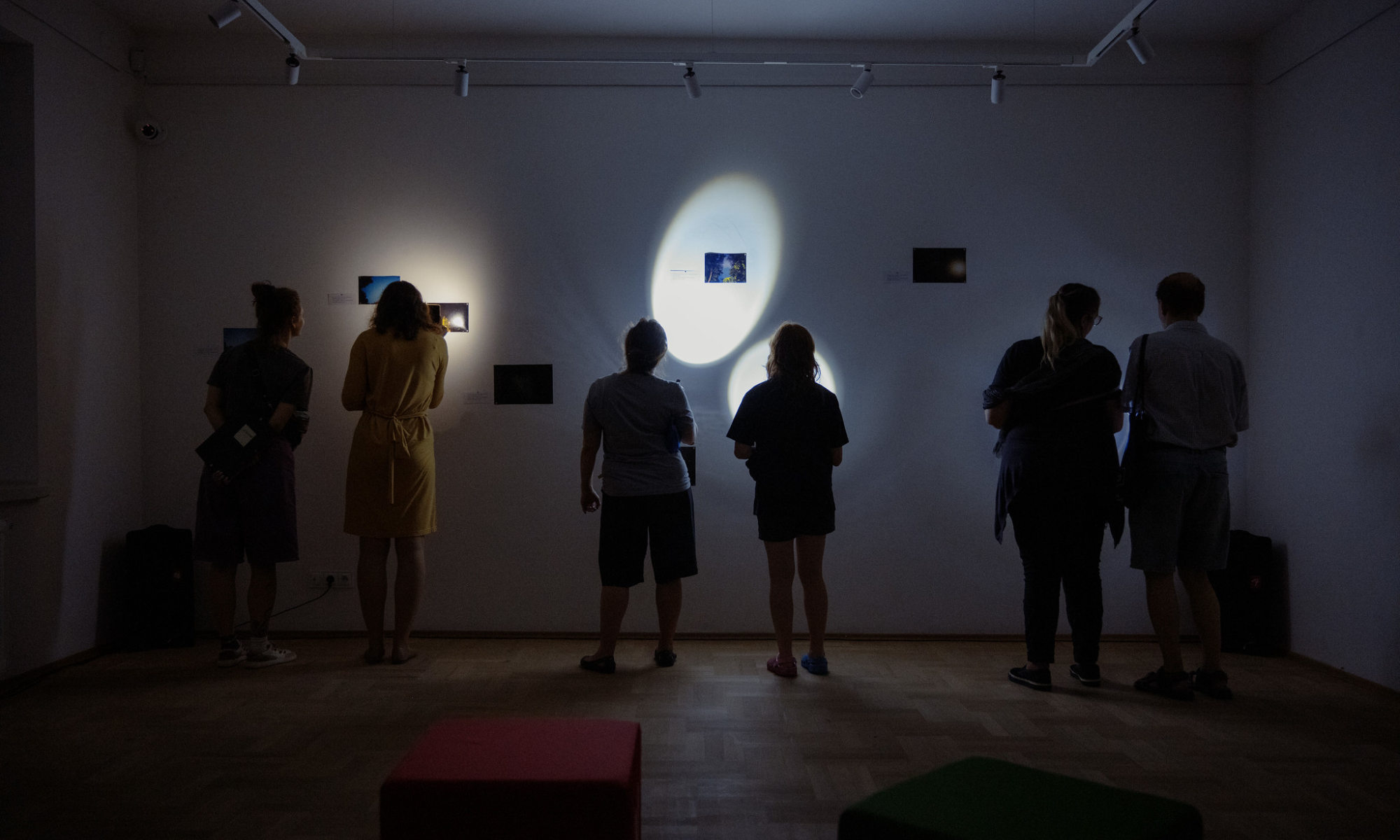
Iwo Kondefer’s residency culminated in the exhibition No Darkness Is Fear – History and Future of Orunia, presented from 28 to 31 August 2025 at Stacja Orunia, part of the Gdański Archipelag Kultury. The project turned attention toward a largely unseen community of inhabitants: the bats of Orunia Park. Moving across the years 1978, 2015, 2025, and 2040, the artist constructed a layered narrative about how these animals might experience the park and its changing surroundings. In doing so, he invited visitors to consider the city from a non- human perspective and to reflect on the overlooked encounters that take place every day between bats, people, and urban space. The exhibition opening on 28 August introduced audiences to a multimedia environment built from field recordings, photography, video, and a radio play. Rather than simply presenting information about bats, Kondefer proposed an exercise in attention: a way of observing space differently, of sensing presence without direct contact, and of imagining a connection with non-human life that does not depend on physical proximity. Through sound and image, the project revealed Orunia as a shared habitat shaped by memory, climate, atmosphere, and quiet forms of cohabitation. Visitors were encouraged to step into an unfamiliar sensory world and to experience the district through the perspective of animals that often remain unnoticed, despite living alongside human communities.
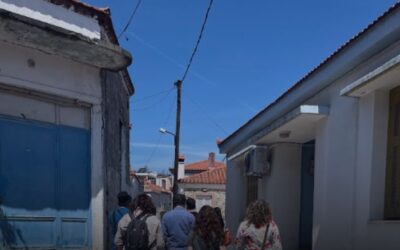
This inquiry continued on 30 August with the sound walk Listen to What Cannot Be Heard, which extended the exhibition into the landscape of Orunia Park itself. The walk became an opportunity to discover neglected and untold stories of urban wildlife, while also learning to pay attention to forms of life that usually escape human senses. At the end of the session, participants listened to sounds normally inaudible to the human ear. Using an echolocation signal detector, they were able to observe and, in a sense, “hear” the bats of Orunia. The walk transformed technology into a tool of ecological imagination, allowing participants to cross the threshold of ordinary perception and briefly enter another sonic reality.
Just weeks later, another residency brought a different marine story into focus. As part of the same Turning the Tide programme, Linda Lemon presented Marine Weaves – on Ghost Nets and Ecology through Art and Collective Action, an exhibition on view from 18 to 25 September 2025 at GridArthub in Gdańsk. While Kondefer’s project explored the hidden lives of urban bats, Lemon’s work turned toward the Baltic Sea and one of its most persistent ecological threats: ghost nets. Ghost nets — abandoned or lost fishing gear such as ropes and submerged nets — continue to trap marine animals long after they have ceased to serve their original purpose. They also contribute to the spread of microplastics, a particularly serious issue in the enclosed ecosystem of the Baltic, where pollution accumulates over time. Linda Lemon’s project addressed this problem not only through information and discussion, but through material transformation and collective action. At the opening on 18 September, visitors encountered an installation of swings made from recovered nets, transforming harmful waste into a temporary space of rest and reflection within the Grid venue.
At the same time, the exhibition invited direct participation through basket-weaving workshops using abandoned fishing nets. Participants created functional objects they could take home, turning discarded marine debris into something useful and tangible. This act of making became both a creative and ecological gesture, showing how artistic practice can open up new relationships with waste, responsibility, and care for the sea. The programme also included a discussion with Olga Sarna from the Mare Foundation, who brought expert insight into sustainable fishing and the current challenges facing the Baltic Sea. In this way, the project connected hands-on artistic engagement with broader environmental knowledge, grounding poetic and participatory forms in the realities of marine ecology.
Together, the residencies of Iwo Kondefer and Linda Lemon demonstrated the breadth of what Turning the Tide makes possible. One project invited audiences into the nocturnal, acoustic world of bats in an urban park; the other confronted the material consequences of human activity in the Baltic Sea through weaving, discussion, and installation. Both used art to make invisible or overlooked ecological relationships newly perceptible. Both encouraged participants to slow down, listen, and imagine new forms of connection with the
environments they inhabit. What emerged from these residencies was not only a series of exhibitions and events, but a shared proposition: that art can help us attend more carefully to the lives, materials, and ecosystems around us. In Gdańsk, Turning the Tide became a space where environmental awareness was not merely communicated, but felt, practiced, and collectively reimagined.