Three years after it began, Turning the Tide came to a close this October with four days of meetings, lectures and a public event in Maastricht. Partners from Sweden, Poland, Greece, Austria and the Netherlands gathered at Studio Europa, Berghut Halverwege, Buitengoed Slavante and Bureau Europa to evaluate the project and share the results with a wider audience.
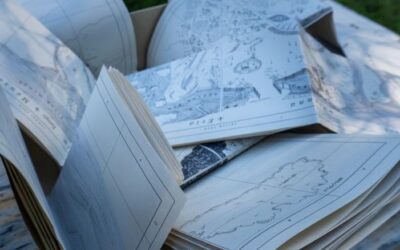
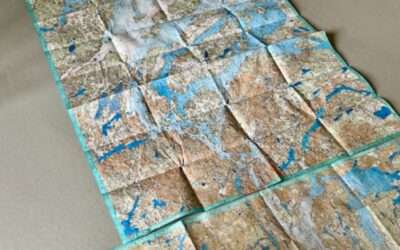
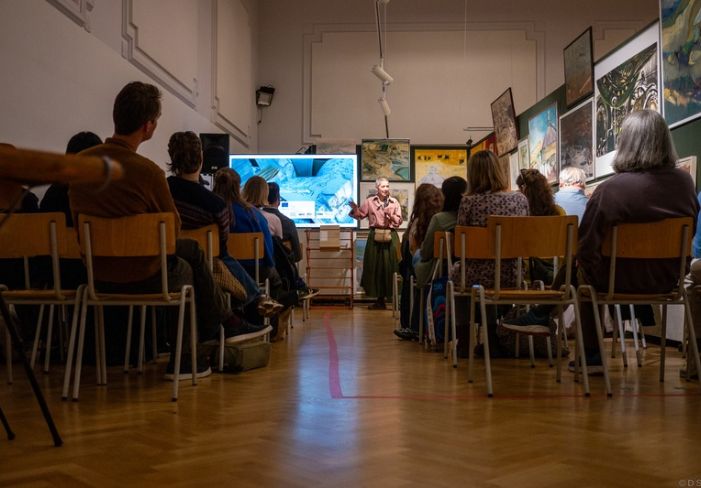
The centrepiece was the public launch of the Turning the Tide Atlas at Bureau Europa. The Turning the Tide Atlas gathers what three years of cartopological fieldwork found along five waterfronts. It holds five hand-drawn maps (Gdańsk, Vienna, Evia, Stockholm, and one drawing together additional research from the Euregion Meuse-Rhine) plus a cross-section map that reads them against one another. Additional texts elaborate on how unevenly climate is lived: where trust in government and technology runs from “they’ll solve it for us” to “we’re on our own, and the system works against us.” The Atlas brings together local insights and makes it possible to compare and draws lessons. It functions as an invitation to look differently, question assumptions, and move between the roles of researcher, urban planner, social worker, policy maker and artist. Published in print (100 numbered copies) and digitally. The Atlas was formally handed over to Matthias Kindel, Deputy Director of EGTC Euregio Meuse-Rhine, who spoke on the role of culture and creative practice in addressing ecological and societal challenges.
Alongside the Atlas, the Turning The Tide Digital Exhibition opened, making all the 42 artworks that have been created in the framework of Turning the Tide, accessible online.
The closing day opened the project even more outward. Dr. Ties van der Werff (Research Centre What Arty Knows, Zuyd University) lectured on socially engaged arts and their impact, Dr. Anja Brüll (Three Countries Park) on cross-border climate and landscape management. Marlies Vermeulen and Remy Kroese, representing the Dutch partner Dear Hunter, then led Mounting Mountains, a hands-on workshop on reading and interpreting maps and soil, asking when soil becomes surplus, when surplus becomes sacred ground, and who gets to decide.
Evaluation sessions ran throughout the conference: what did the mapping reveal, what did the residencies change, and what will partners carry forward. The Turning the Tide Atlas and digital exhibition remain available through the project website, the partners’ websites and the River//Cities platform.
Want to find out more about the Atlas, or about the Digital Exhibition?
Visit the links above and explore them at your own pace!